5 Day Hokkaido RV Road Trip Itinerary From Sapporo
Where better to kick off an RV trip in Japan than in Hokkaido? Vast, untouched nature and so many places to explore. If you’re planning a road trip from the Sapporo area, we’ve put together a 5 day Eastern Hokkaido RV road trip that is jam packed full of must see locations, the best types of Hokkaido food you need to eat along the way, picturesque campsite locations that we have actually tested, and the best times to visit. (Along with exactly how much it cost us too!)
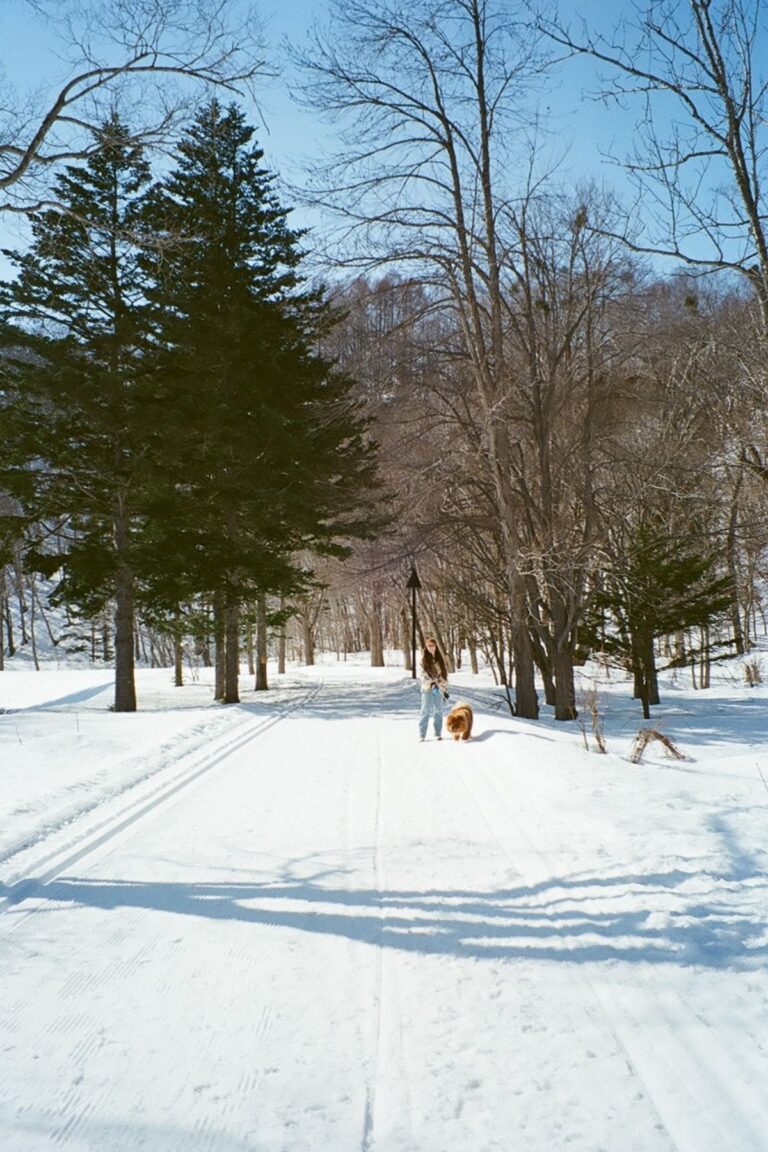
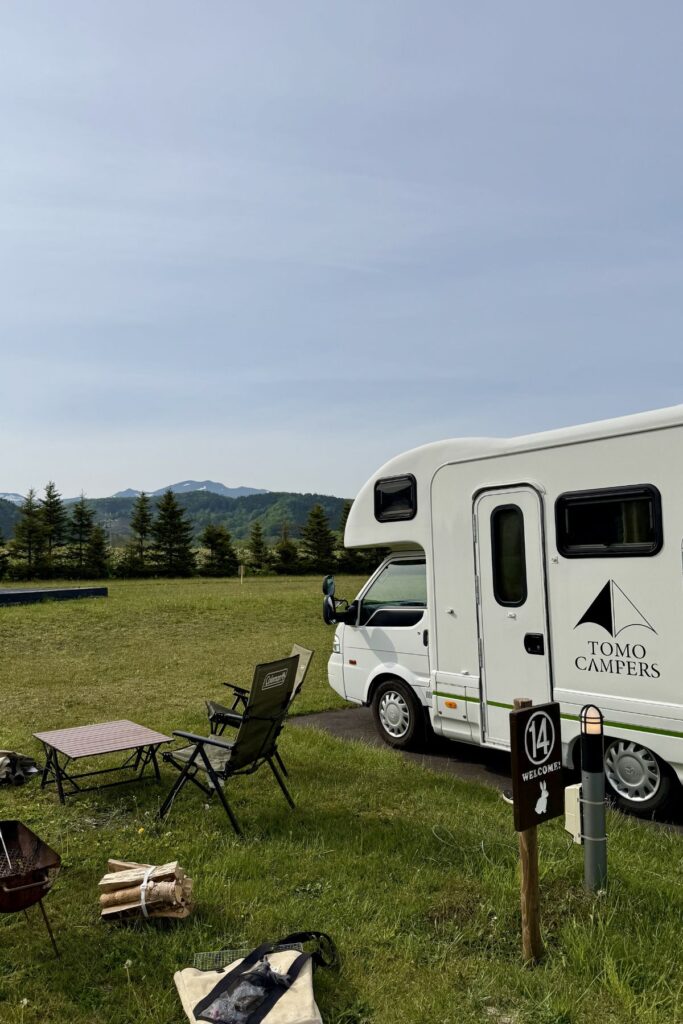
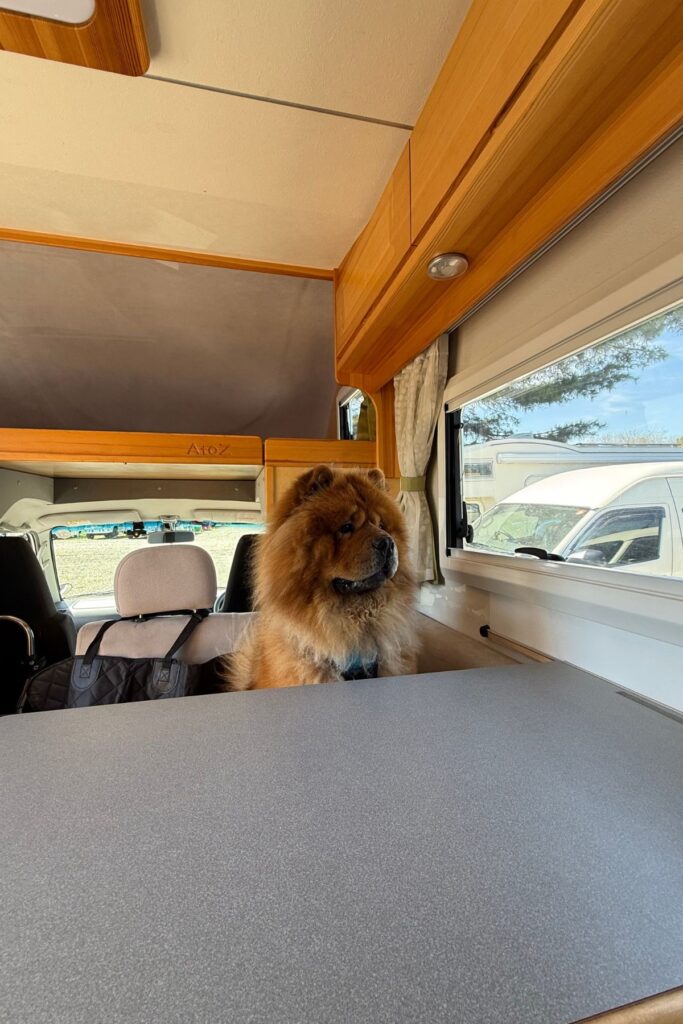
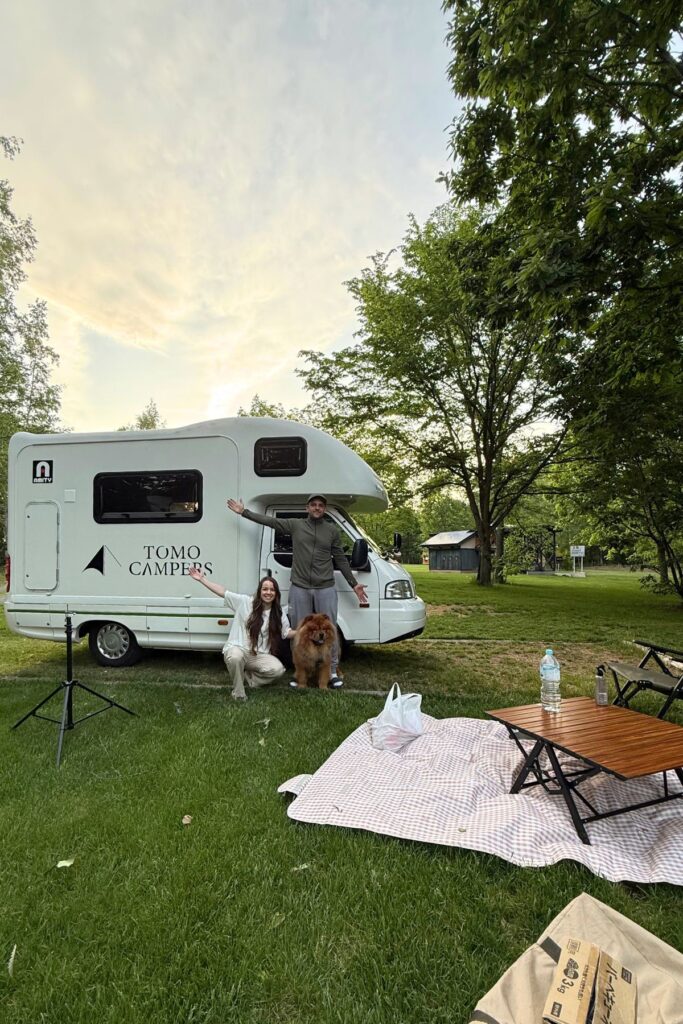
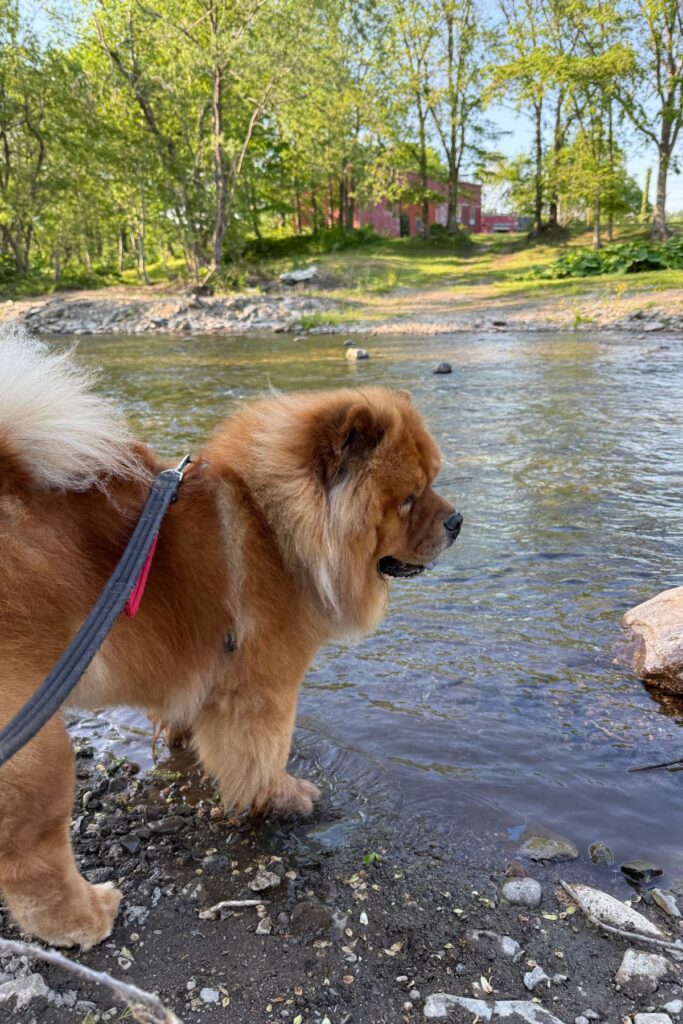
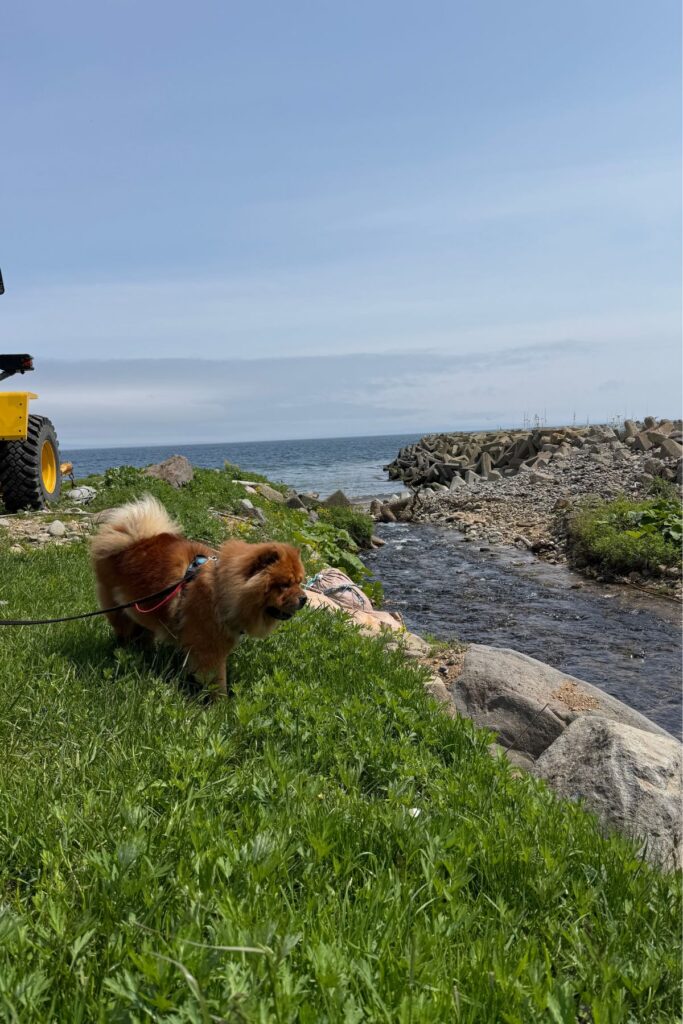
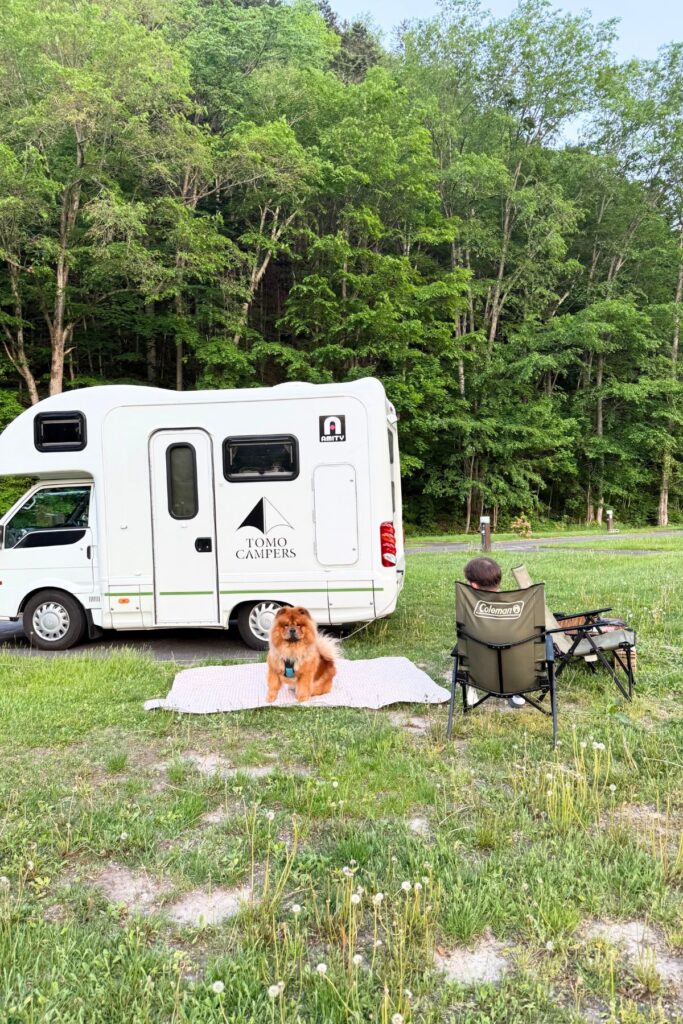
We started our road trip at the beginning of June which is considered the low season for camping in Hokkaido, we picked up our RV camper van from Tomo Campers who are based in Chitose airport, and the benefit of using a camper for the trip was that our large dog, Papi could explore Hokkaido easily with us too.
Whilst this is an RV road trip itinerary, you could easily use this if you plan to go by car and camp along the way, or book hotels throughout the route, below you’ll find some hotel suggestions for each place you can stop along the way so you can make this Hokkaido itinerary suit what you’re looking for in your trip to the northernmost island in Japan!
5 Day Hokkaido RV Road Trip Itinerary From Sapporo
Day 1
It’s time to pickup your RV for the road trip! There’s lots of places that you can hire an RV from in the Sapporo area, we personally chose Tomo Campers who operate near Chitose Airport. So, if you have just arrived by plane, it’s one of the best places you can choose to get yours from.
We recommend reserving a few months or more in advance, especially if you plan to travel during peak camping season (July-August in Hokkaido).
It takes around 1 hour from the city of Sapporo to reach Chitose and we couldn’t collect our RV until 1pm, so just bear in mind that the collection times are not always first thing in the morning, especially if it’s a busy season. Checks in the vehicle and going through paperwork takes roughly one hour before you can get on the road. You can pay an additional fee for English language support which you really need to get if you speak minimal Japanese as it covers insurance and important details on the vehicle, and this was ¥22,000, as of 2026.
For our Eastern Hokkaido road trip, our first location of the trip was a campsite in Obihiro. It took 2.5 hours to get to there from Chitose and you can enjoy the true beauty of Hokkaido’s nature along the way, there’s also a handful of Michi-no-eki stops on the way if you need a rest stop or fancy a Hokkaido soft serve!
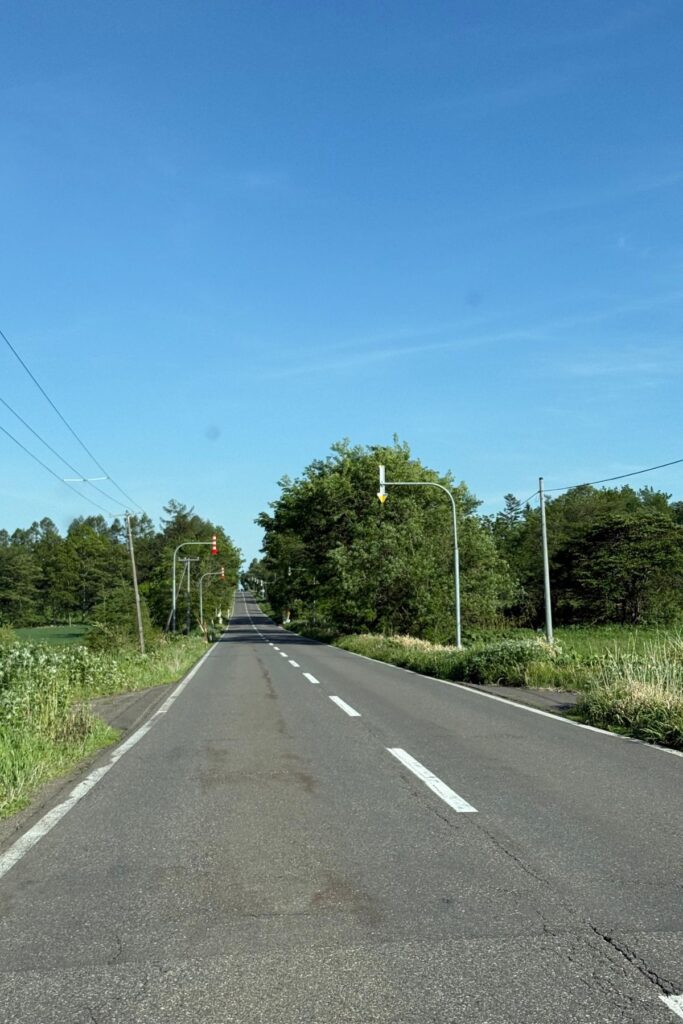
We didn’t have a lot of time to explore Obihiro due to the time we picked up the RV, and we had to reach our campsite for 5pm before check in finished for the night.
If you have more time, there is plenty to explore in Obihiro. I recommend checking out Kofuku Station which is lined with pink tickets and business cards and is a really iconic place to see. In terms of speciality food, you need to get a giant sweet potato cake which is filled with creamy custard in the middle which you can get from Cranberry Pastry Shop in Obihiro.
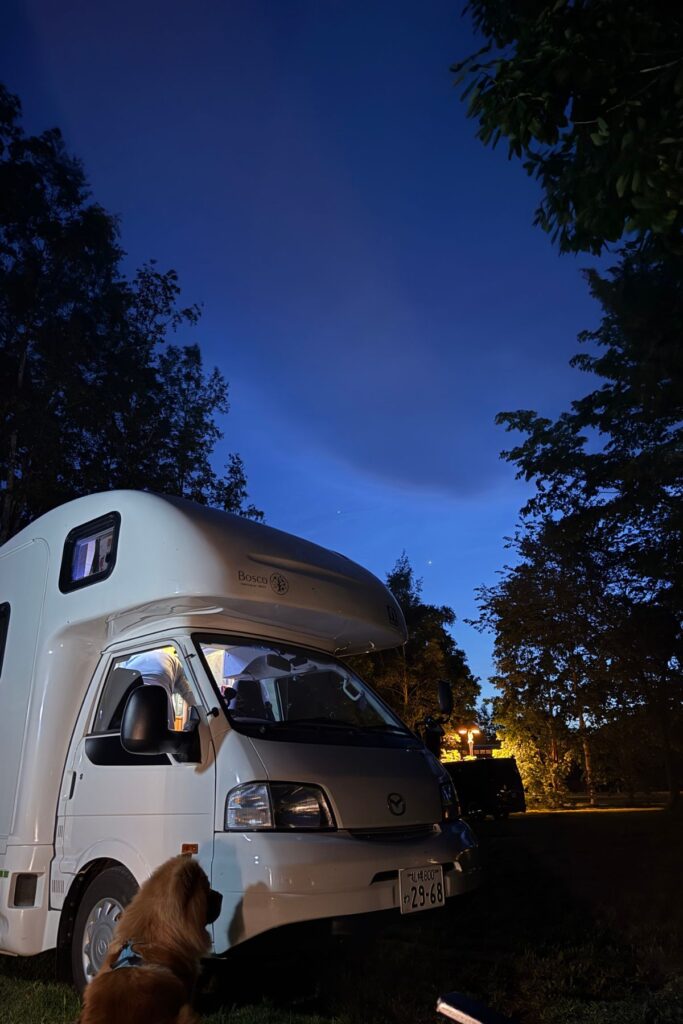
The first campsite of the trip is Snow Peak Tokachi Campsite, beautifully nestled into nature and it has great washing facilities, showers and coin laundry. This is the perfect place to stop before heading further into Eastern Hokkaido, and down to Shiretoko. If you need food supplies, there is an EON supermarket 15 minutes away from the campsite which has plenty of camping supplies there too such as charcoal, paper tableware and bug spray.
If you’re travelling by car, here are a few hotel recommendations in the area with different price points;
Day 2
Get ready for an early start, with your final destination of the day being in Nakashibetsu.
We left the campsite at around 8am, whether you’re in an RV or by car, you’ll start to realise that it’s not really about the destination, but the journey here in Hokkaido as the scenery you’ll pass is vast, endless and incredibly breathtaking. The roads are very quiet and it’s an incredibly peaceful drive.
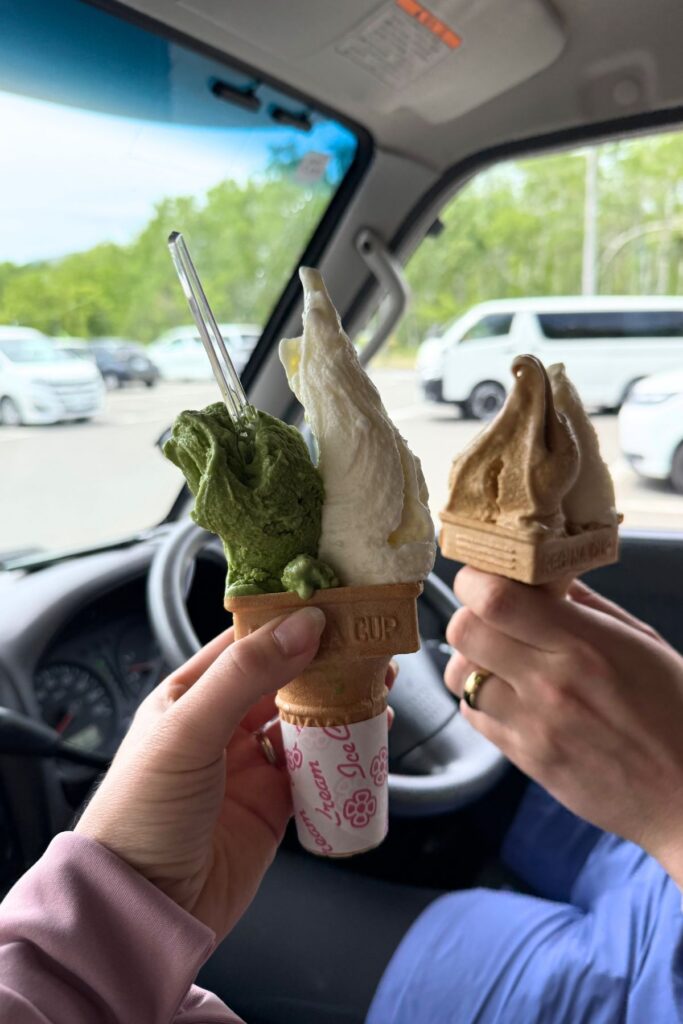
We recommend stopping at the Roadside Station Mashu Onsen which has a dog run, toilet facilities, an amazing shop with lots of food and souvenirs, and Cream Dowa which has the best Hokkaido milk soft serve, the double scoop is a must have (image shown below)!
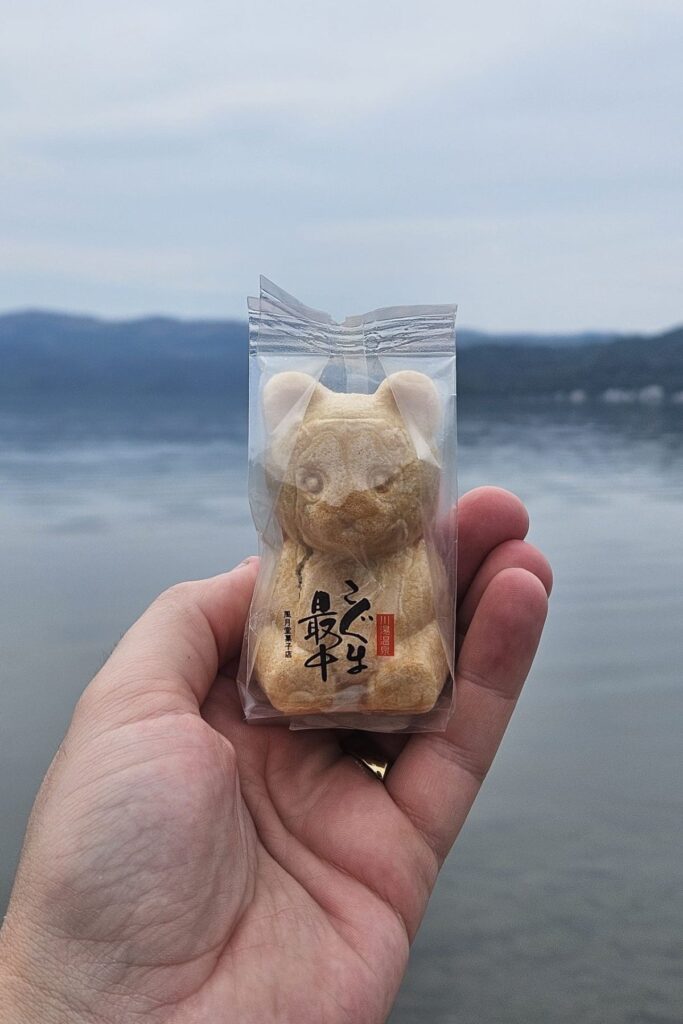
Whilst you’re at the roadside station, you’ve got to pick up this little red bean filled bear too! You can only get it in this area of Hokkaido, and it’s the nicest sweet treat, plus photographs well! I also recommend buying the Yokan here, it’s made from beet sugar, kidney beans and agar and is the nicest sweet treat, that doesn’t taste too sweet. If I had to compare it to anything like in the Western world of food, I’d describe it as a very firm type of jelly!
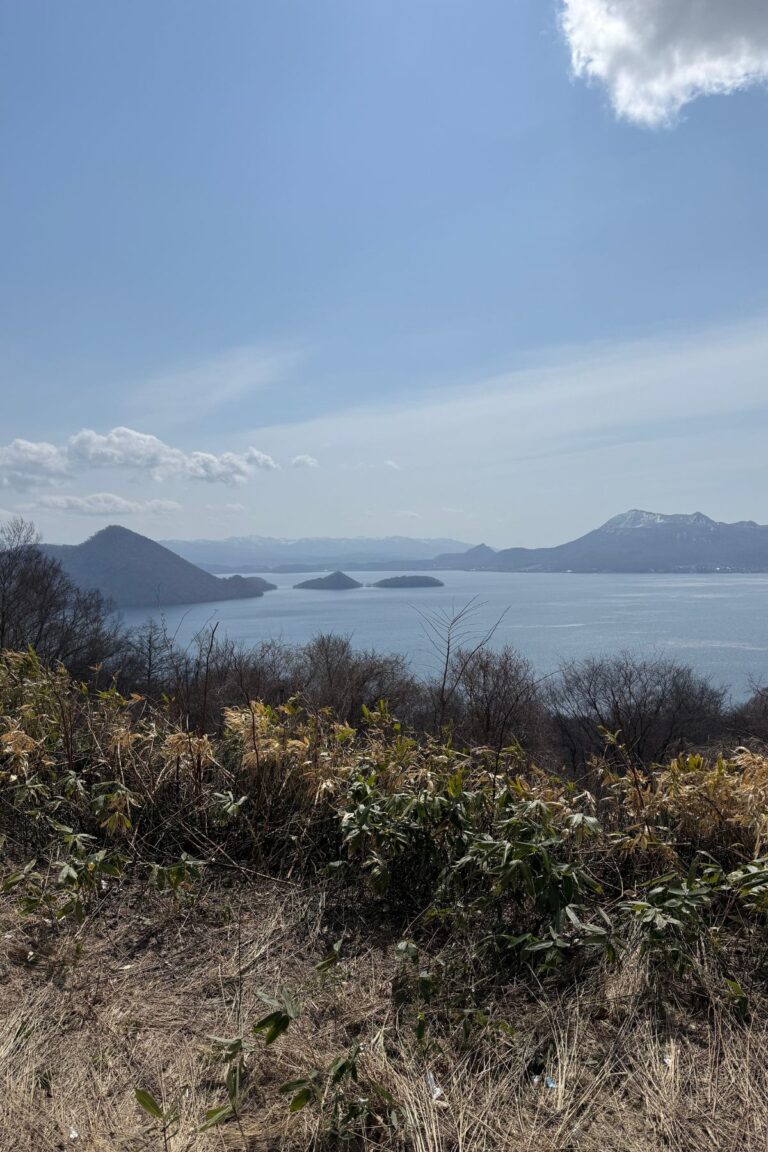
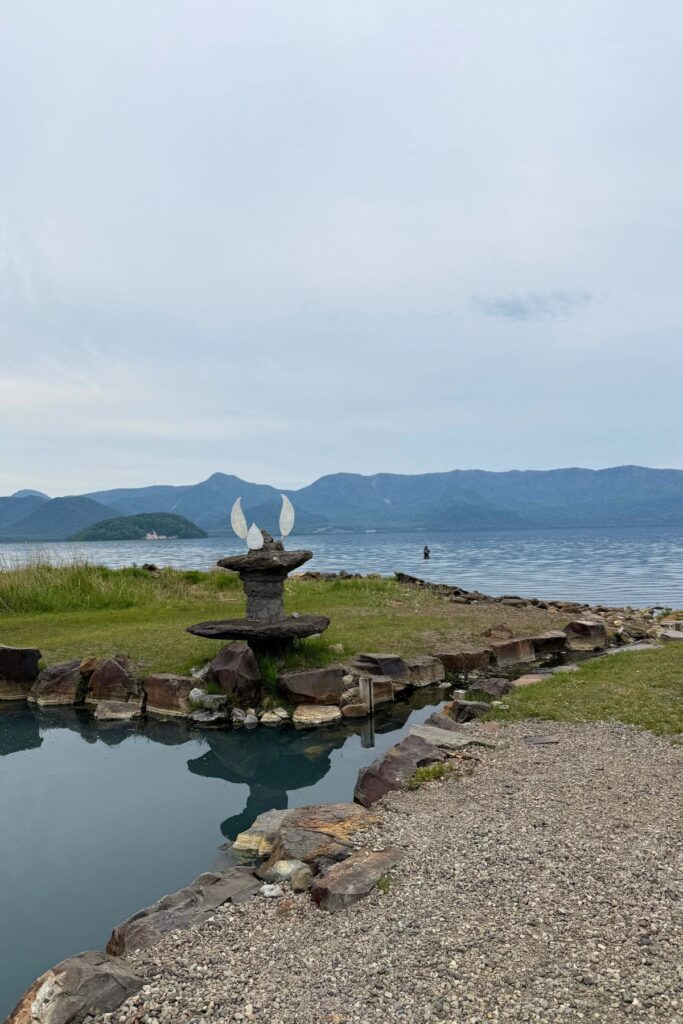
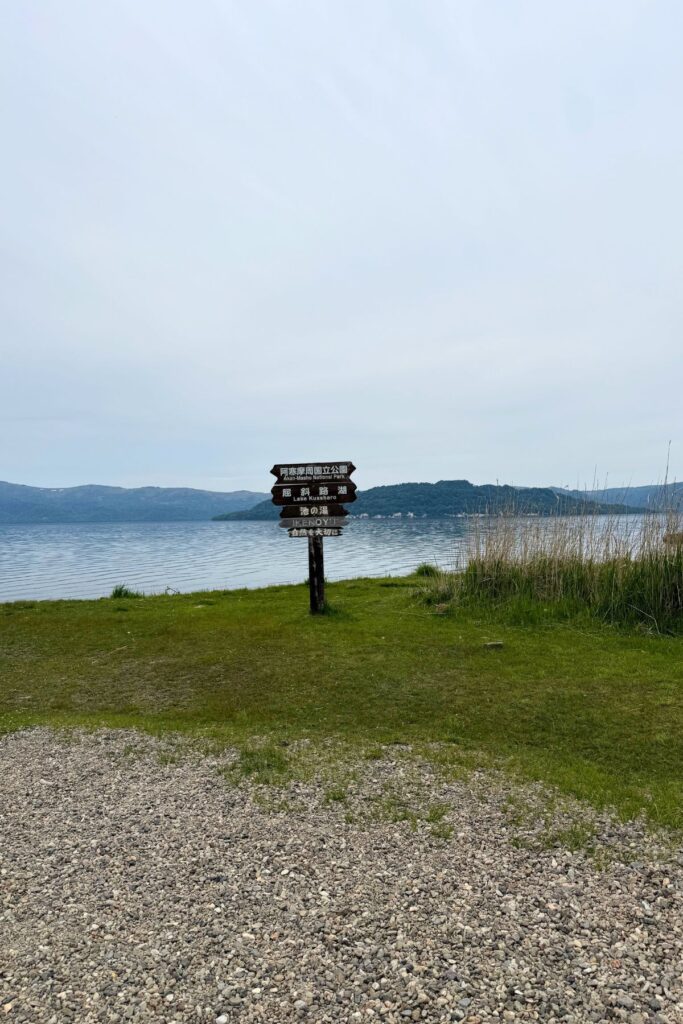
A short drive away from the michi-no-eki is the breathtaking Lake Kussharo. There’s plenty of stops around the lake worth visiting, for a true Japanese experience, soak in the open air onsen (free to use) – Ikeno-Yu Hot Spring. This natural hot spring was boiling hot when we visited in June, the algae makes it a little slippery underfoot and there are small, gender separate changing rooms on the side that you can use. Just remember to pack a towel!
A little further around the lake you will find Sunayu (Sand Bath) Beach which is on the eastern shore of Lake Kussharo. By scooping away the sand with your hands, natural hot onsen water will come bubbling to the surface giving you a natural, unique foot bath experience. A true must try experience at Luke Kussharo!
There’s also another smaller, but open air onsen here that you can try too, personally the Ikeno-Yu is a much better experience, and often it’s empty with very few people around, if any.
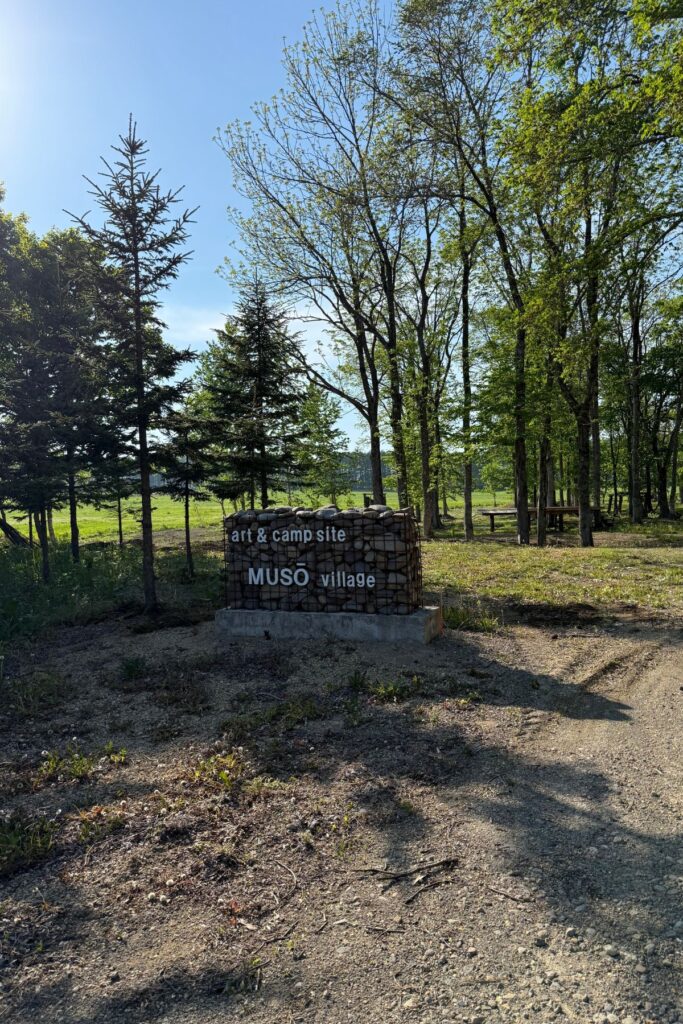
After spending time at Lake Kussharo, it’s time to head onto your next campsite of the night. We recommend the Muso Village campsite, a totally off grid campsite, we camped at the beginning of June, and there was no one else here! There isn’t anywhere only to make a booking, but you can call ahead or just turn up on the day to see if there is any availability.
A very interesting place which is across the lake and also owned by the same man is accommodation, a museum, sauna and onsen that the owner has built. So, if you’re looking for accommodation for the night, there is plenty of space here as it accommodates up to 20 people. The owner does a lot of woodwork, and there is a gorgeous self serve shop on the way out, where you can buy gifts and trinkets, and you just leave your money behind.
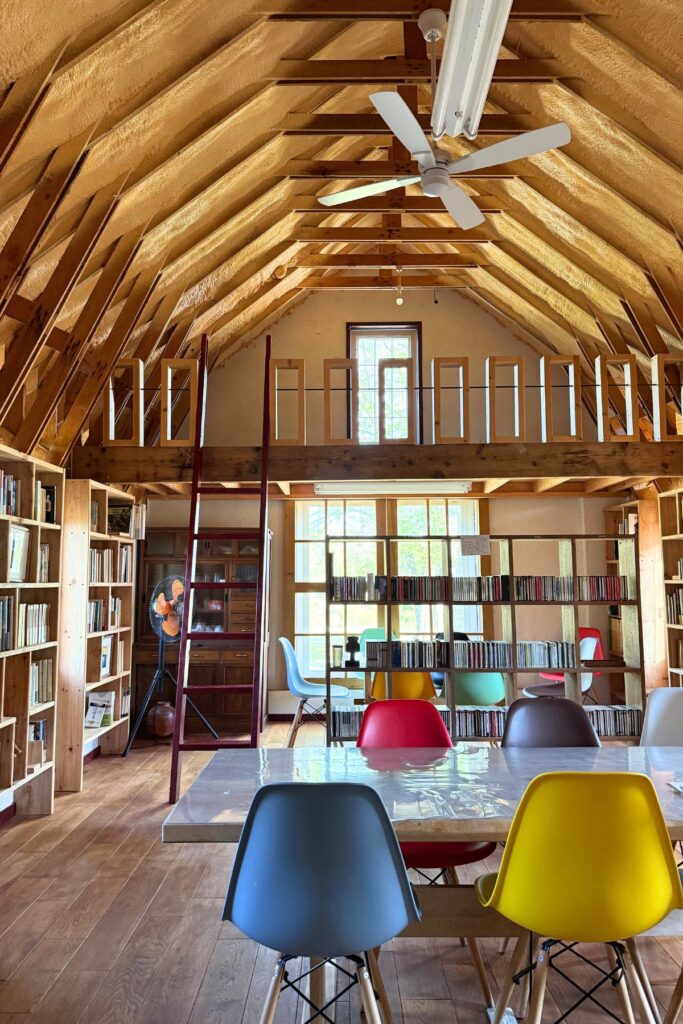
The campsite didn’t have a shower, but there was a warm toilet and sink with warm water and a space to wash dishes, they also had a microwave and stove facilities if you don’t have your own with you. There’s even an incredible library room on site where you can relax, read a book and warm up if you need to!
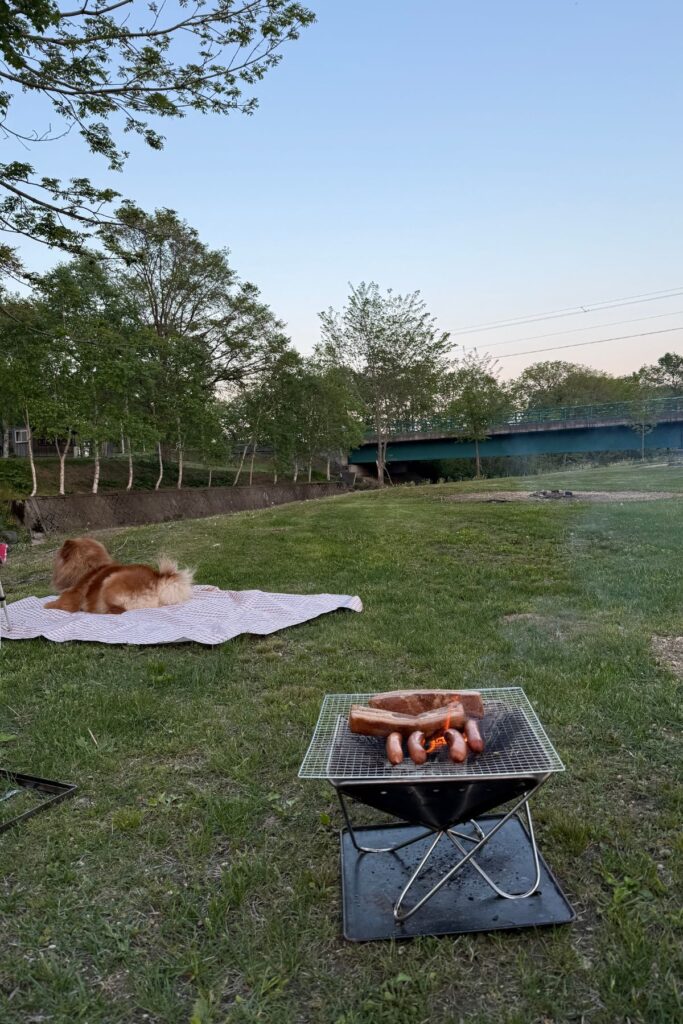
What we liked about this campsite is there was access to a fire pit area and wood at an extra cost so you could light a fire alongside your nightly BBQ.
Being in the heart of nature here in Nakashibetsu is the best kind of reset you could ask for.
Day 3
What you’ll find with RV life is that you wake up very early. Especially in spring/summer where the sunrise is as early as 3:50am in Japan! So, you’ll usually be back on the road for around 8am, and there’s a lot of driving for this next leg as we make the journey down to Shiretoko.
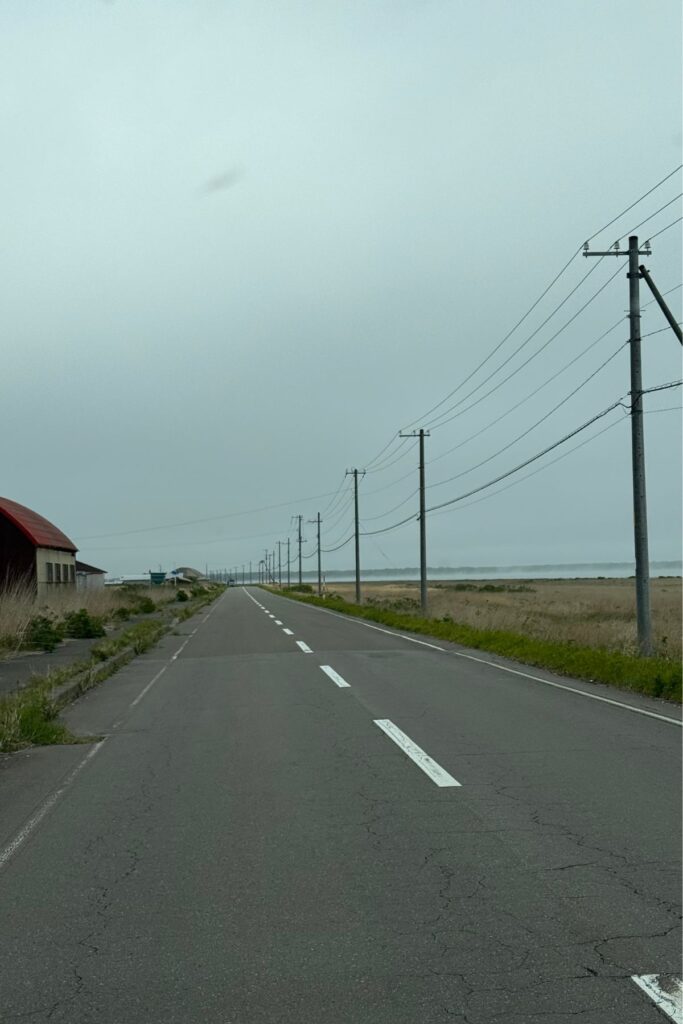
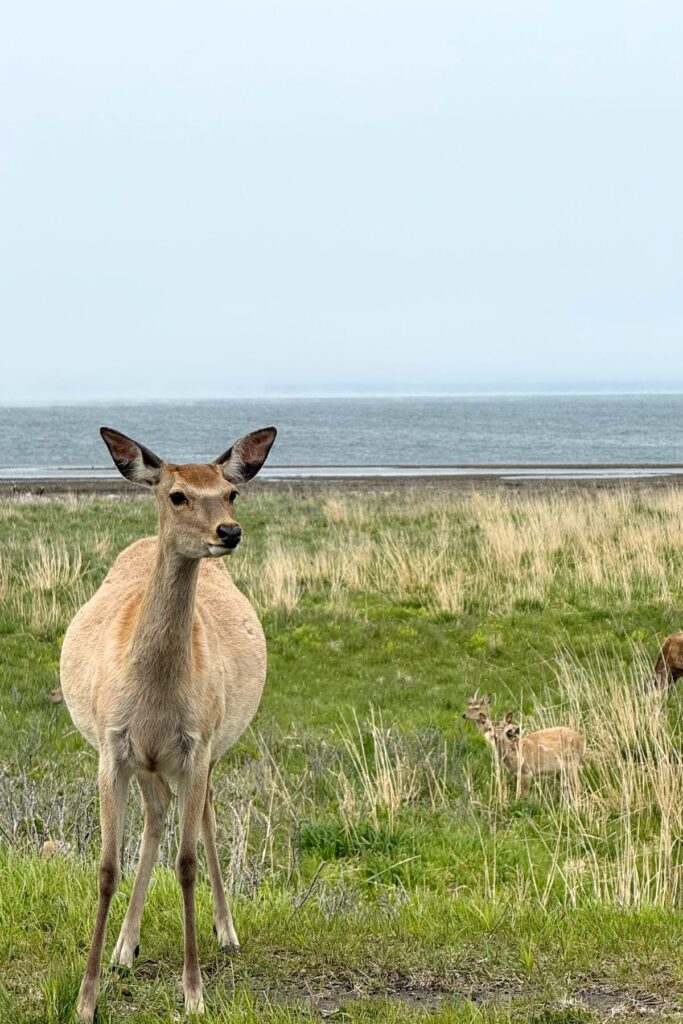
En route is the Notsuke Peninsula, and whilst there’s technically nothing there apart from nature and fisherman, it’s something that is 100% worth the visit! The Notsuke Peninsula is approximately 28km long and is a unique ecosystem for plants, sea life and plenty of wild life…This peninsula is shrinking 1.5cm every year and is said that in 100 years time, it might not even exist.
The day we arrived here, there was a huge sea mist just hovering and it was incredibly eerie, but beautiful. We saw hundreds of deer, foxes and plenty of different types of birds in their natural habitat. It was incredible to see.
Whilst nothing is technically there on the peninsula, everything is there. There’s barely anyone on the road here, so you can take your time during the drive and take in the most amazing views of this unique place.
Back on the road again and heading into Rausu Town, you’re officially in Shiretoko now! There’s a convenient michi-no-eki in the town if you need to stock up on food or souvenirs on your travels.
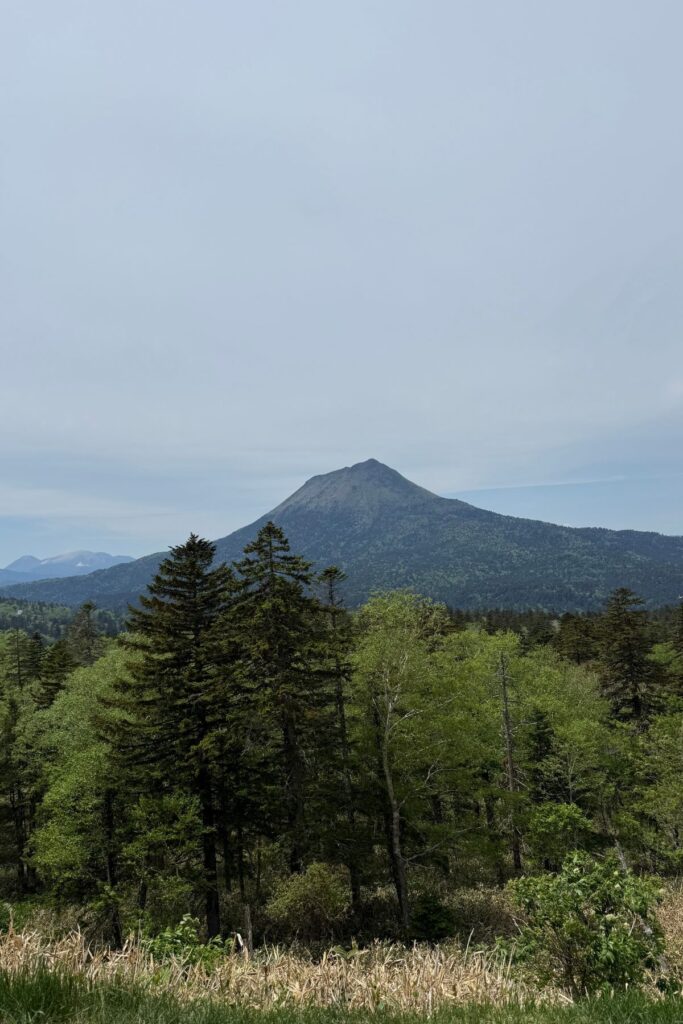
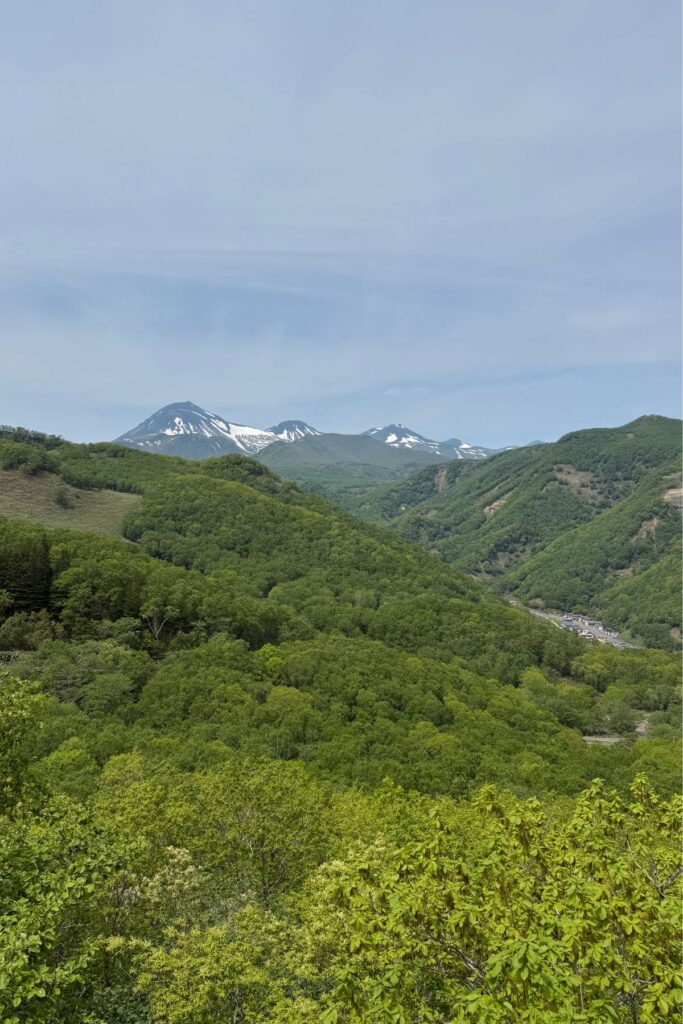
Head up to the Rausu Kunashiri Observation Tower to take in Mount Rausu before heading on and take in the breathtaking views of the valley and coastline below, which is completely free to do.
There is a small trail at the top too which you can take, but do take bear precautions with you. I recommend taking a bell and a bear spray in a holster so it can easily be accessed if the situation arises.
There are SO many different things to do in Shiretoko, and of course, it’s most well known for its trails. As we were with our dog, it wasn’t possible for us during the trip to do much hiking.
Shiretoko has the highest density of brown bears in the world, and it’s something that you must be prepared for. That’s why, you are required to hike with a licensed nature guide on the ground-level trails at the Shiretoko Five Lakes (Shiretoko Goko) between May 10 and July 31. In 2026, there had been a number of trails that had been shut, and were not reopening until July due to a previous bear attack.
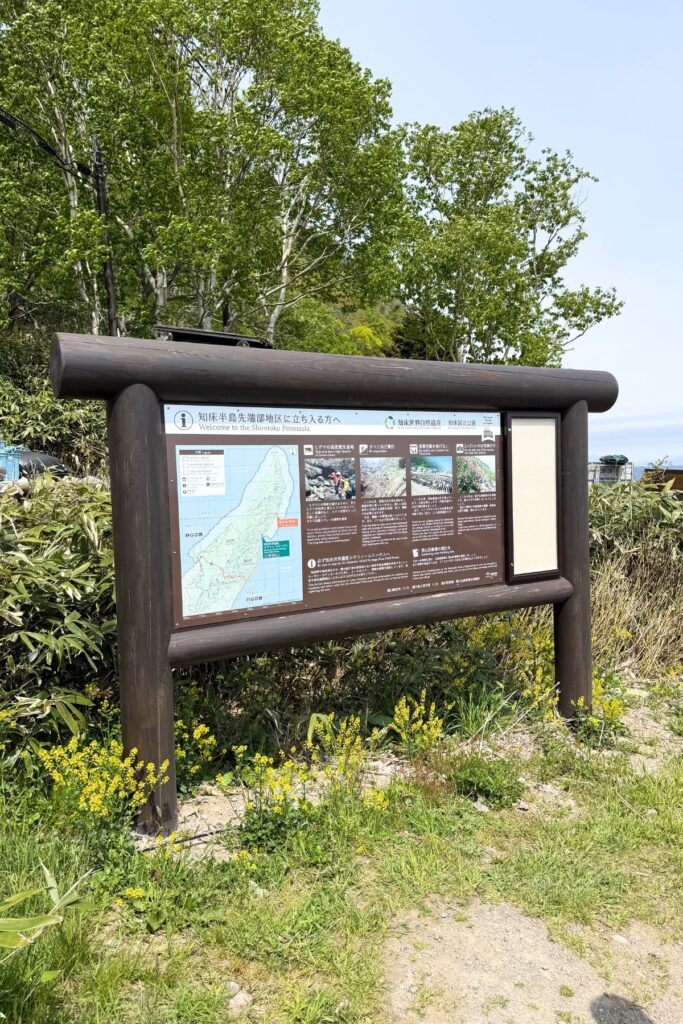
The nature here is beautiful, but it’s something you can’t mess with. We also went to the North-easternmost guide place of Japan, plenty of fisherman and a place you can go off road hiking. According to the sign, you actual need to submit your plan in advance to the police department in Hokkaido and let your family and friends know where you are going if you choose to hike here, at your own risk.
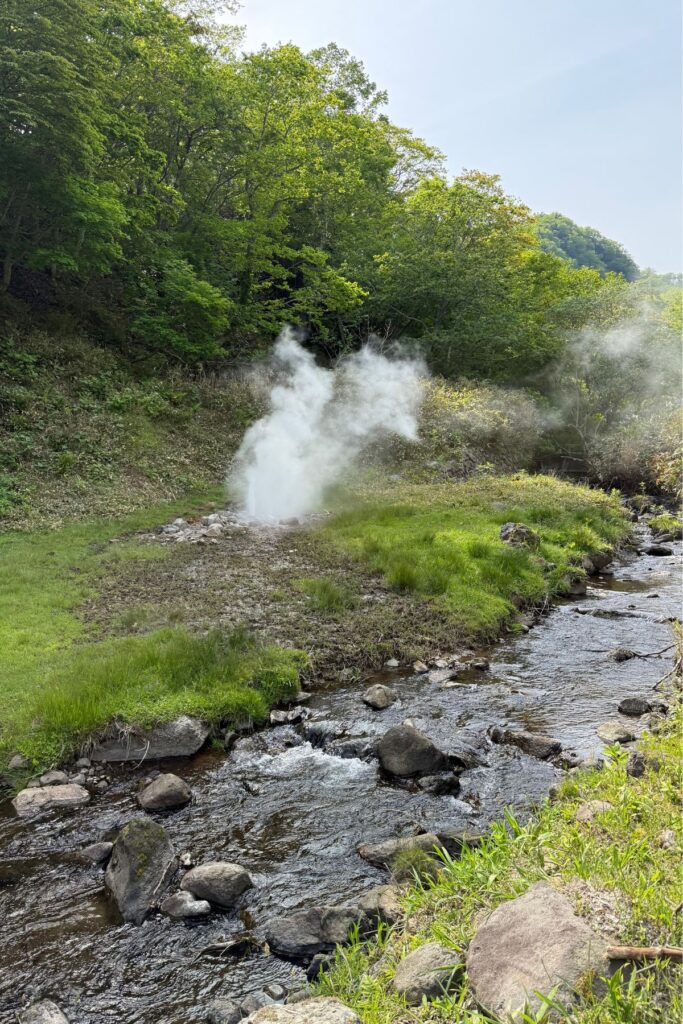
The Rausu visitor centre is well worth a visit, and here you can watch the Geyser eruption at the trailhead to Mount Rausu, which occurs roughly every hour. If you head into the visitor centre, they have a sign showing all of the approximate times of the eruption during the day so you can time it perfectly.
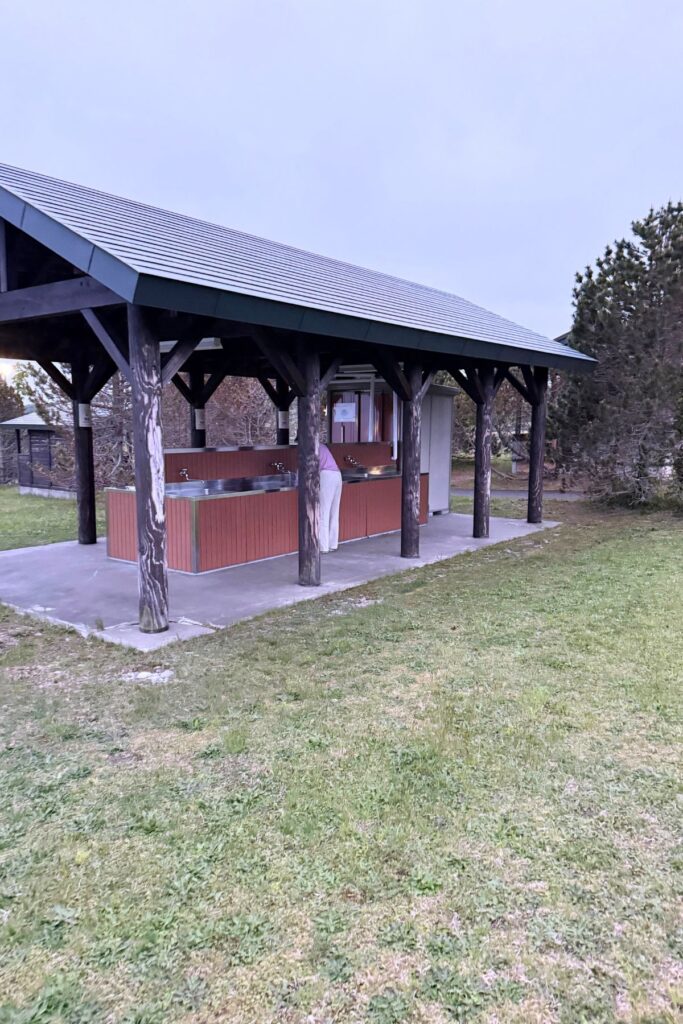
The campsite of the night is the Rausu RV Park which accepts both RV’s and traditional campers, we didn’t have a reservation in advance and there was plenty of availability in June, in fact, we were the only RV on site! This was the cheapest campsite we stayed at, but one of the best!
Showers on campsites aren’t much of a thing in Japan because most people tend to use a nearby onsen and shower facilities, and you’re never too far from one in Hokkaido.
The views here were nothing short of incredible, there was outside washing facilities and toilets nearby and we hired a fire pit for the night.
Hotel recommendations in the area;
Day 4
On day 4, we’re heading further into Shiretoko and taking the Shiretoko Trans-Center Road which is approximately 27km in length, serving the most incredible scenery, wildlife and view of Mount Rausu.
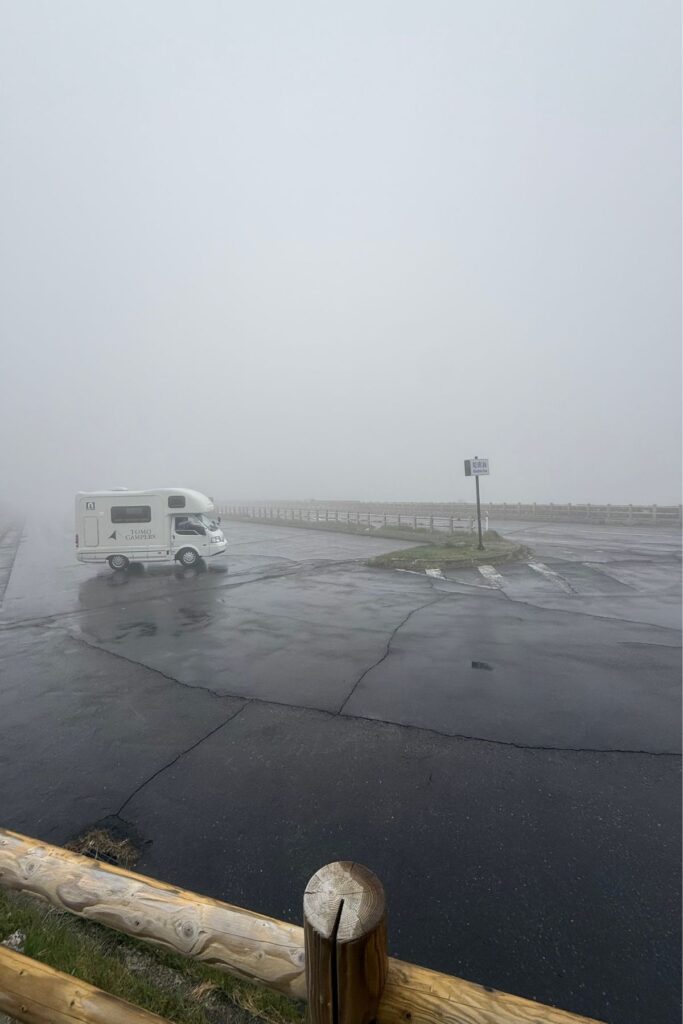
About half way on this road you will stumble upon the Shiretoko Pass Observatory. On the day of our visit, the most dense fog descended, and well, we couldn’t see anything! It provided pretty sketchy driving conditions, and even though we couldn’t see much, the eeriness gave it a completely different feel, and you can only imagine what it would look like on a good weather day.
I recommend stopping at the Shiretoko National Park Visitor Centre in Shari where you can learn more about the park, and there’s a lovely cafe inside too.
If you’re looking to get some Shiretoko souvenirs, Michi-no-eki Utoro Shirietoku was the best one we visited on our trip. They have so much local, fresh produce ranging from fish and milk to sweet treats, there are plenty of Shiretoko bear related gifts and so many souvenirs so you can remember your trip with some lovely mementos.
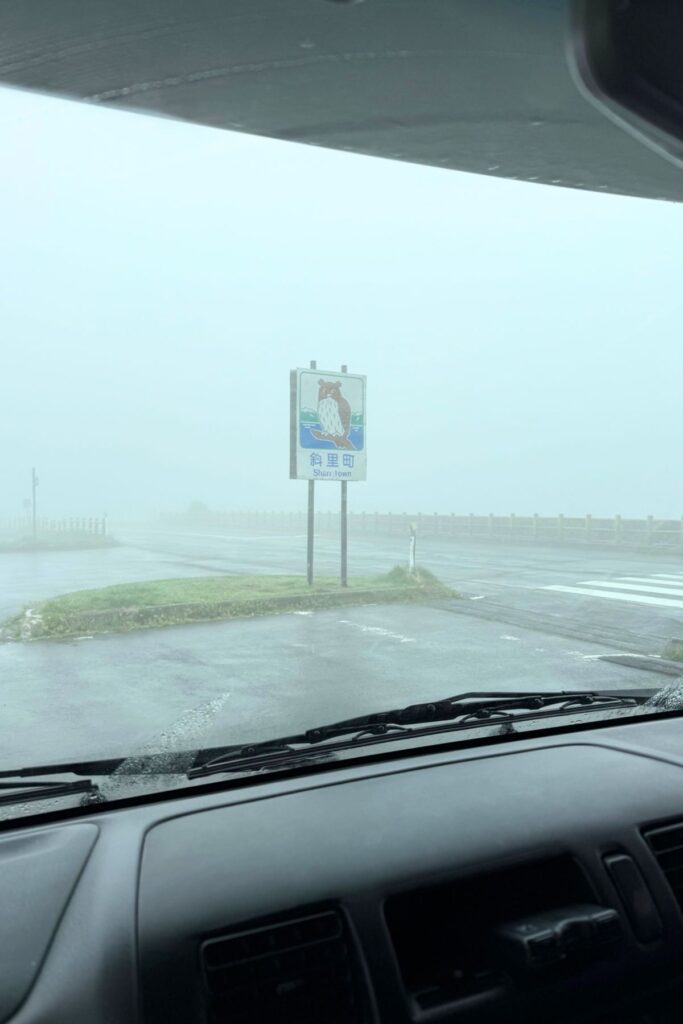
Seemingly, once we left Shiretoko, summer had arrived! Shiretoko is a lot cooler than other parts of Hokkaido, so depending on the time of year you visit, make sure you pack lots of warm clothing.
Next up, is Road To The Sky in Shari. This seemingly endless road that stretches into the sky is such a cool photo spot, and to drive up afterwards!
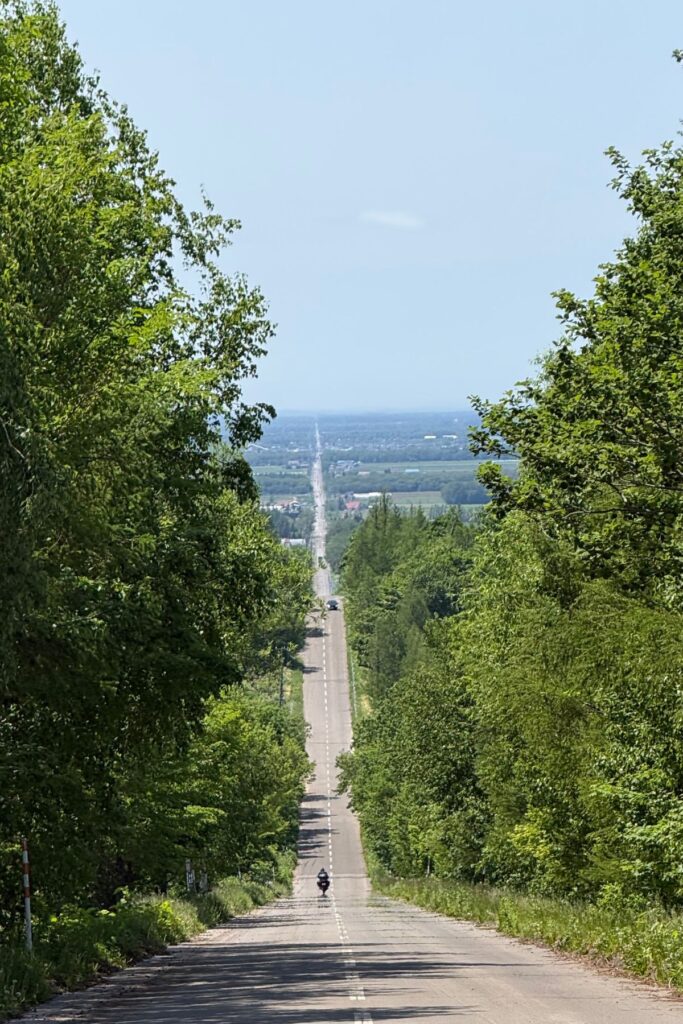
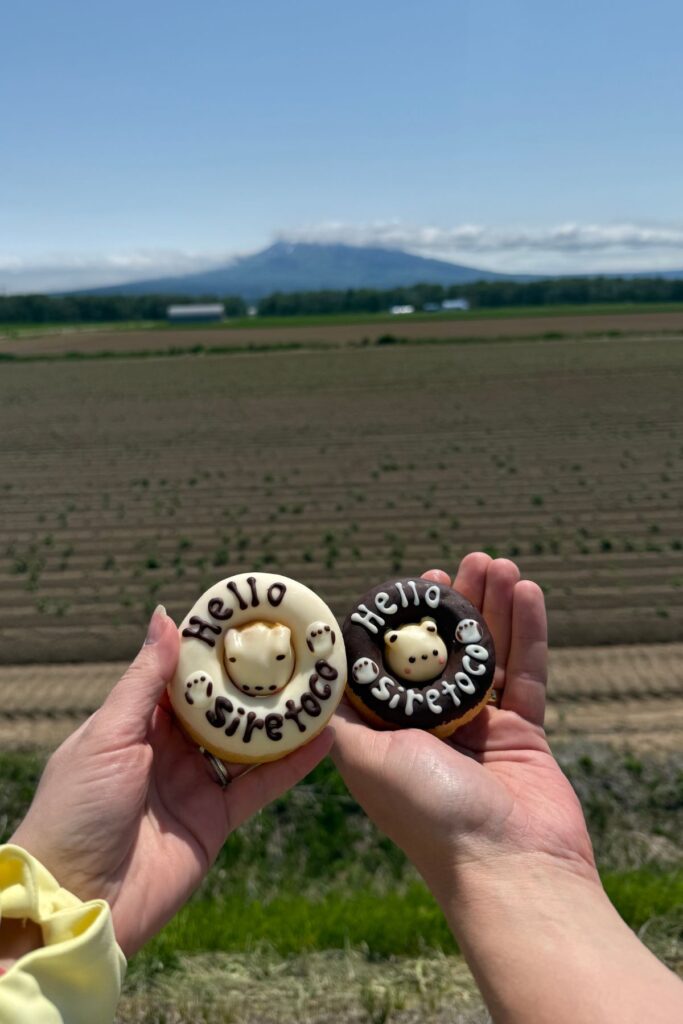
When in Shiretoko, make sure to try the Siretoco donuts, they are so tasty! We became obsessed with them during this trip. Stop at Lake Abashiri on the way to the next campsite of the night.
There’s a gorgeous walk around the lake, and if you’re lucky, you might spot some of the flying fish whilst you’re there.
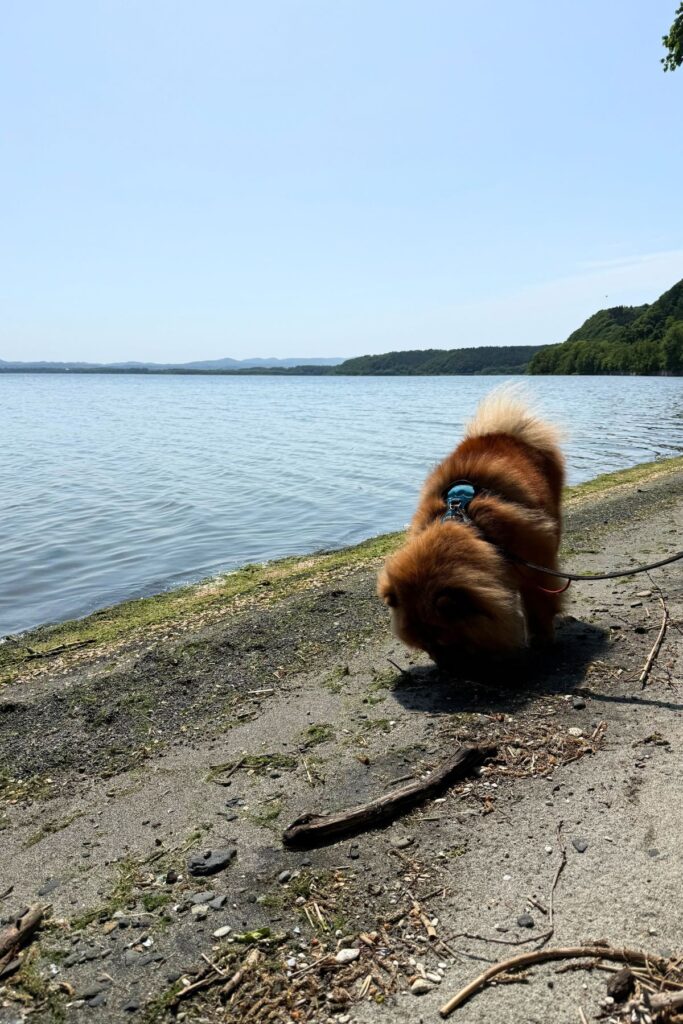
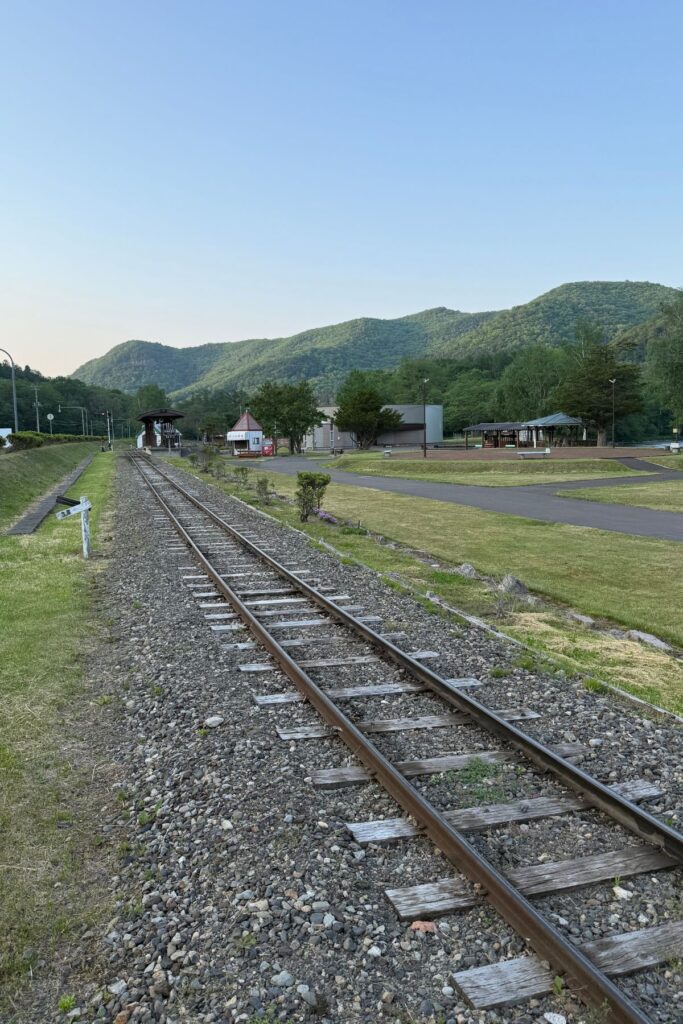
As you start making your way back to Sapporo, stop at Campsite Maruseppu Ikoinomura for the night in Engaru. Out of all of the campsites we stayed at, this was definitely one of the best, and the cheapest from the trip!
There were coin showers and laundry, toilets and outside washing facilities. Perhaps, the best bit is that it is positioned opposite Maruseppu Onsen Yamabiko. This onsen costs ¥600 for adults and features an indoor, outdoor onsen and sauna. It feels so relaxing and rejuvenating after lots of exploring. You can also hire towels on site for an additional charge.
In the summer season of camping (July-August) there is a lot more going on at this campsite for kids, with go karting and train rides taking place.
Accomodation recommendations in the area:
Day 5
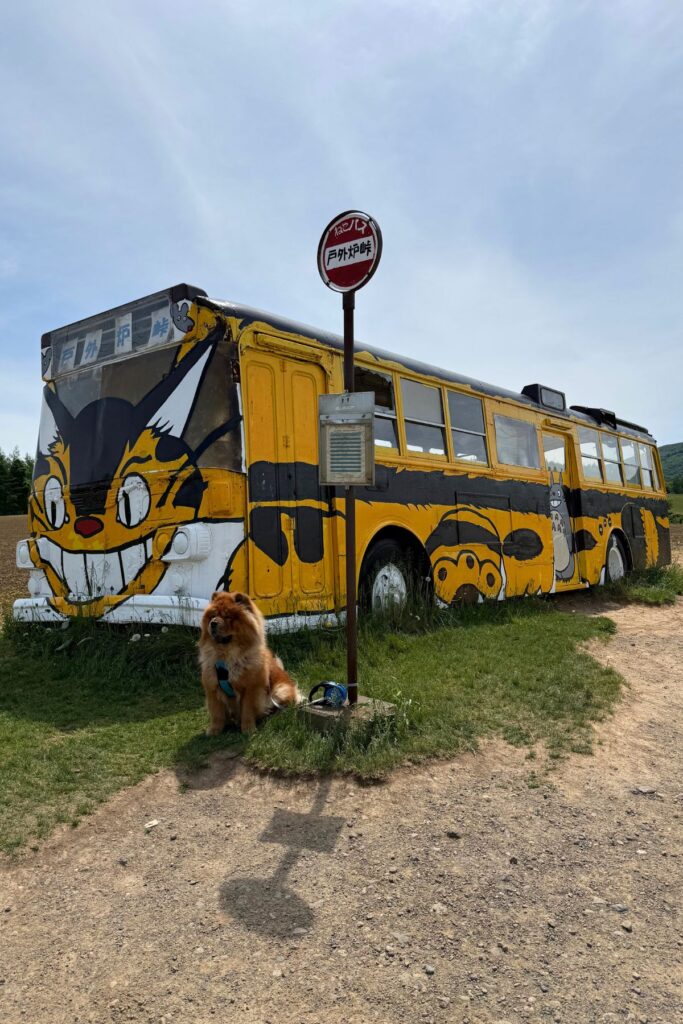
It’s time to get back on the road early for your last day, and if you’re a fan of Ghibli movies, you have to stop as this iconic photo landmark in Fukagawa City.
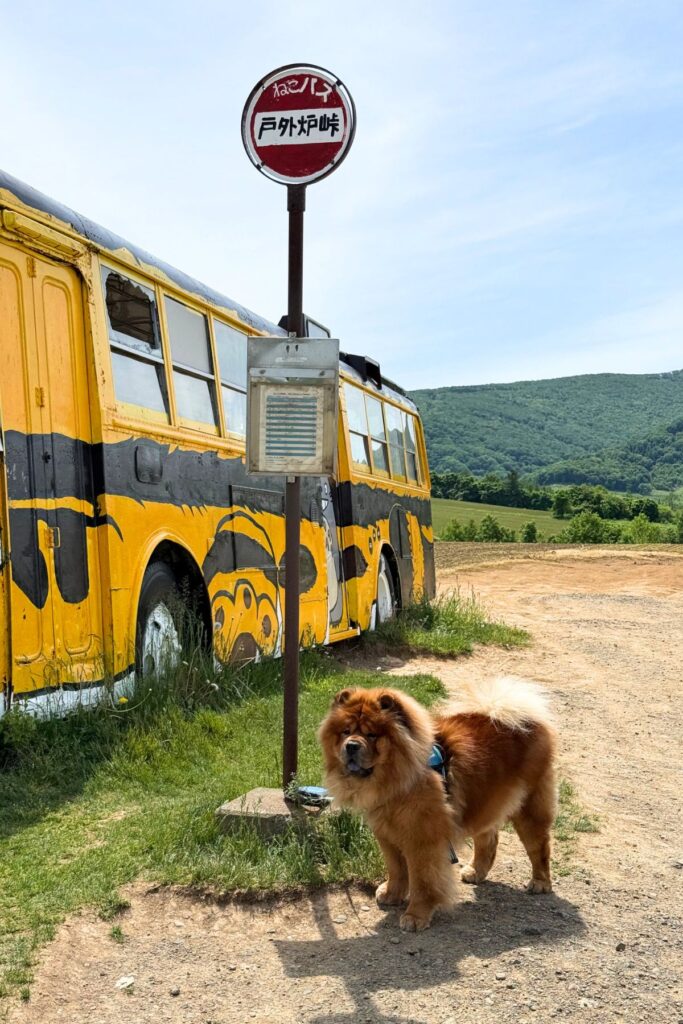
The Neko Bus (Cat Bus) at Totoro Toge was once an abandoned bus, now reimagined as the Neko Bus in My Neighbour Totoro, nestled in farmland in Fukagawa City, there’s even a bus timetable next to it.
It’s authentic and the cutest photo that is completely FREE! There was no one else here when we visited early June around 10am, it looks incredible in the winter with piles of snow surrounding it.
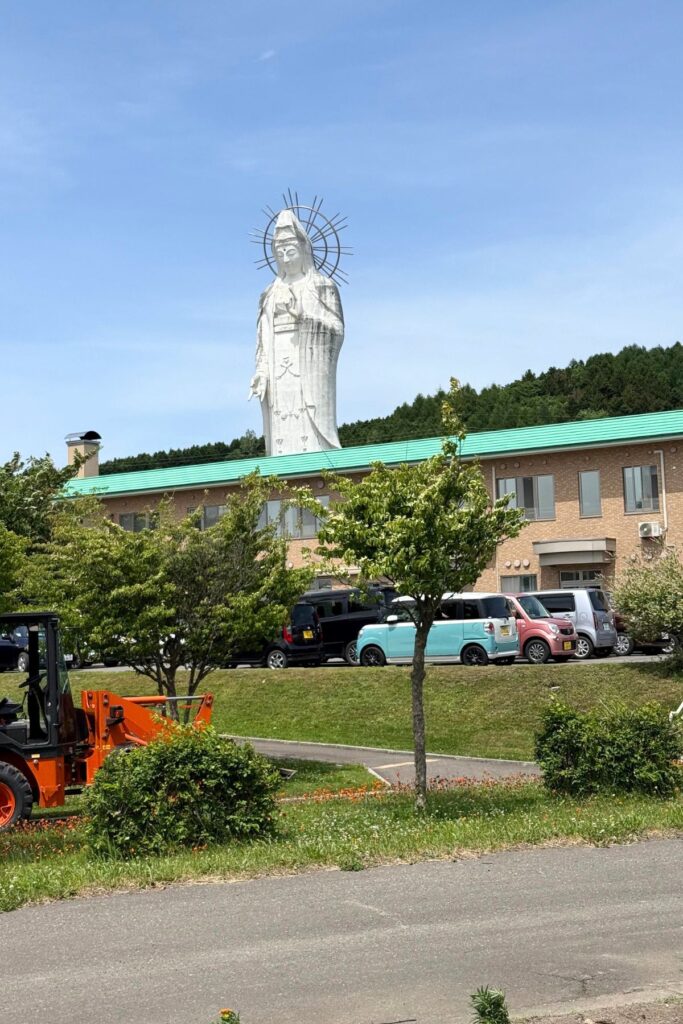
As you make your way to Biei, suddenly you’ll see a huge statue blooming out of the landscape. It was a completely unexpected find for us, and whilst the temple is no longer open to look around, you can catch some amazing views of it as you drive across the bridge.
This is the Dai Kannon of Kita No Miyako Park statue, and it is the third largest statue in the whole of Japan!
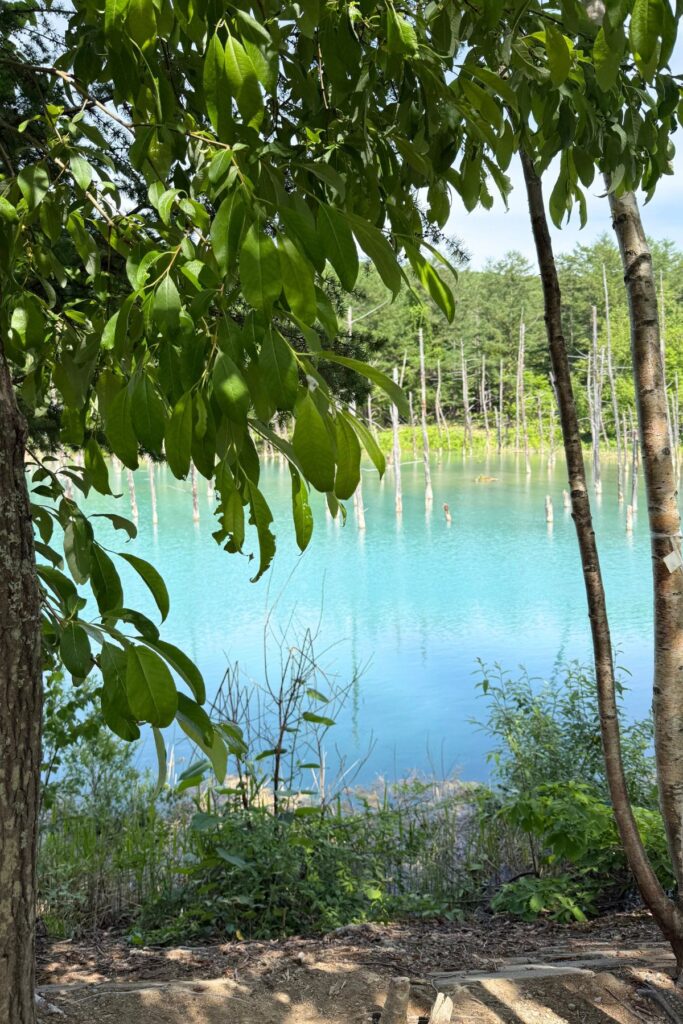
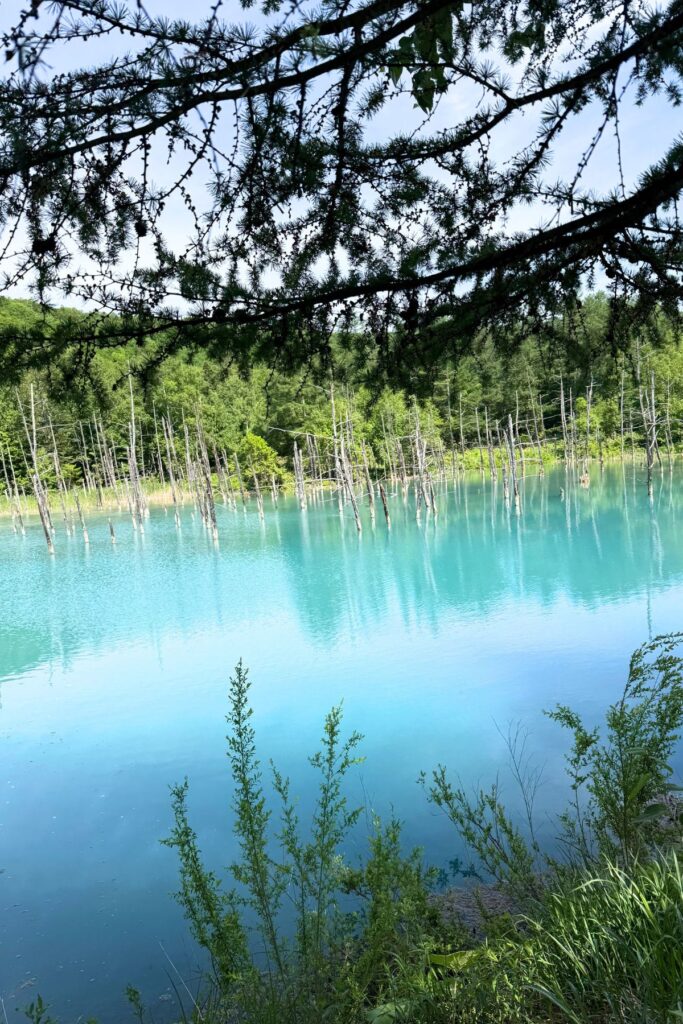
The Shirogane Blue Pond at Biei was a bucket list tick for us, it’s one of those Hokkaido landmarks that is incredibly well known, and if you time your trip right, you’ll see it at its most vivid blue colour. Between early June to Mid July on a sunny day is said to be the best time to visit, and I can vouch for the fact that is was totally blue when we visited early June.
It was the busiest tourist attraction, and the most people we had seen for the entire trip as a lot of coach tours come up here for the day from Sapporo.
We arrived around late lunch and it was bearable, we’re not sure we would have made the drive from Sapporo just to see this, but as it’s en route to the last campsite as you make your way back, it’s definitely worth stopping by. It’s actually completely free to visit, but car parking is ¥500.
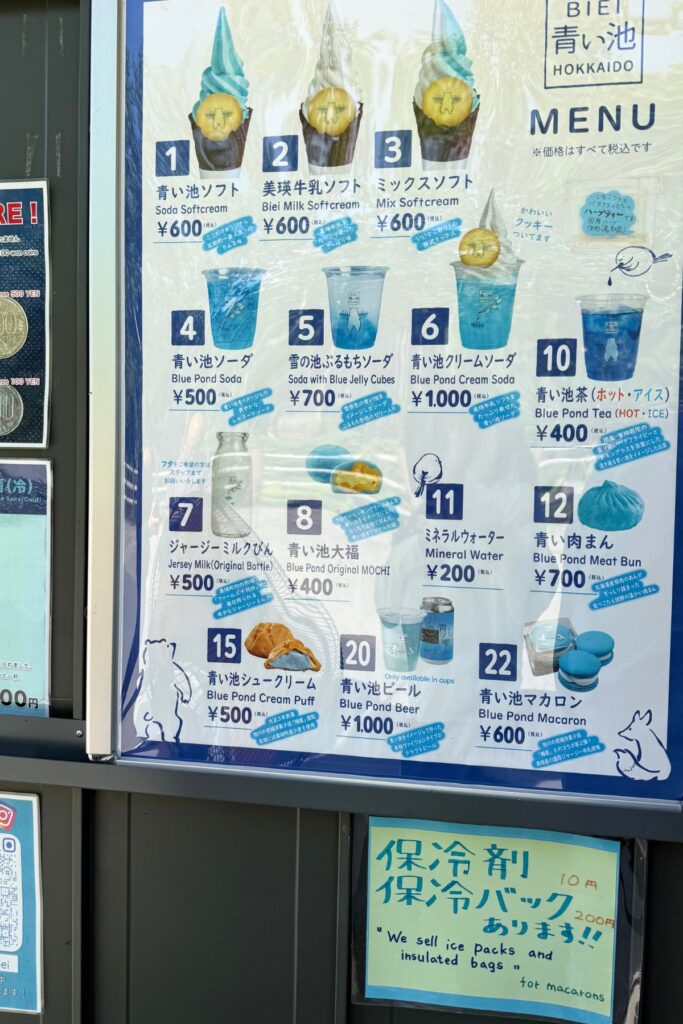
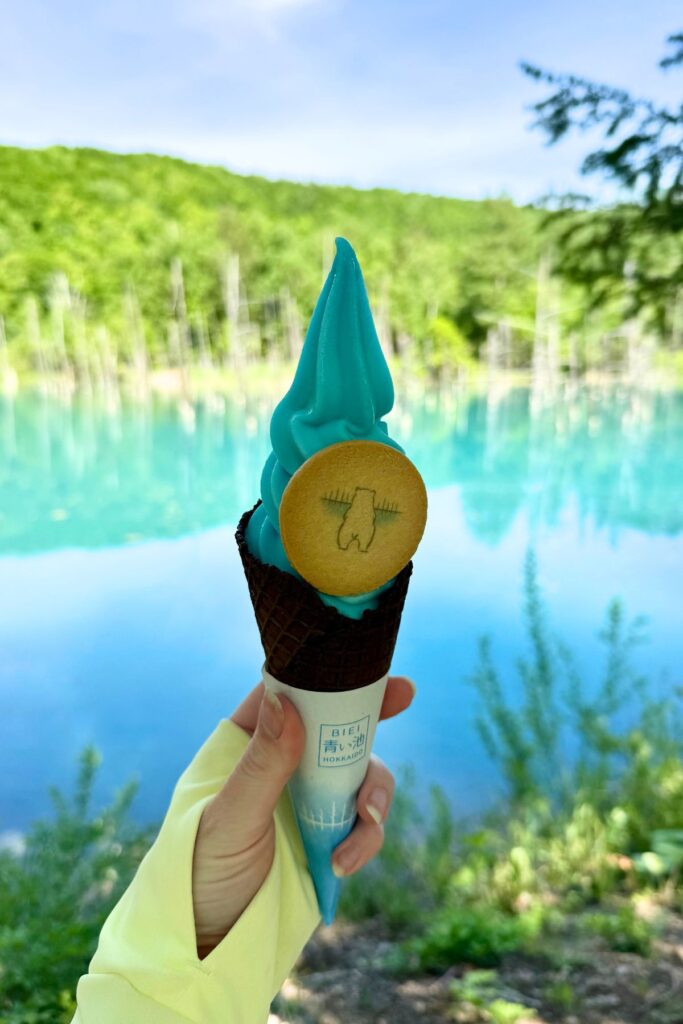
Of course, you can’t stop at Biei without trying one of their delicious blue themed drinks and desserts, here’s everything below that they offer.
We went for the blue soda soft cream which came with a delicious oat biscuit, the soft serve tastes a bit like bubblegum sorbet and was so refreshing on a warm day.
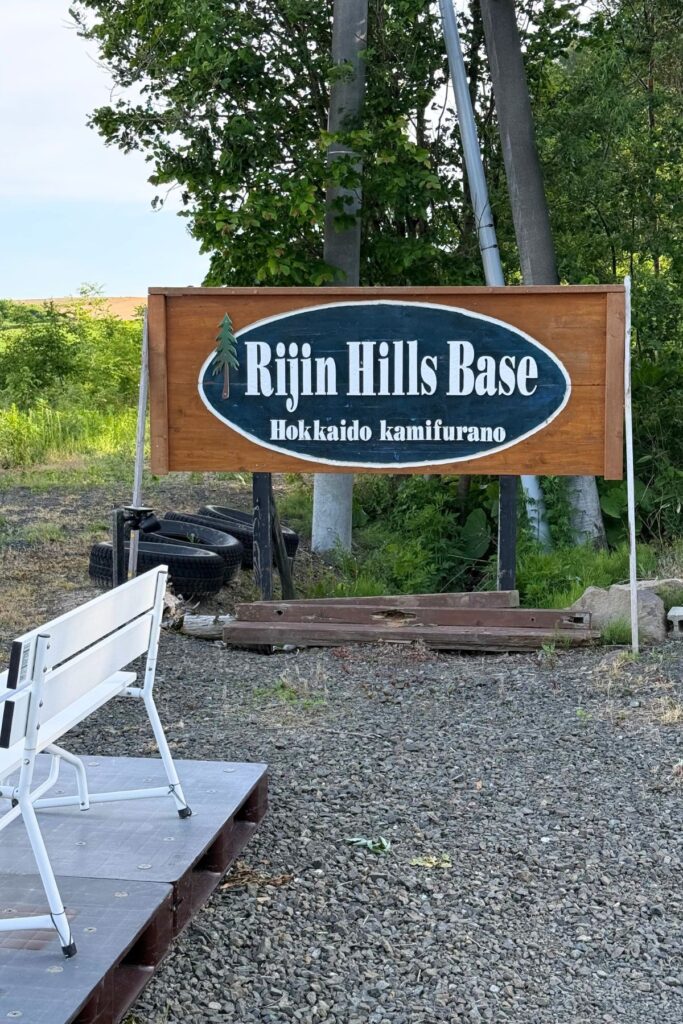
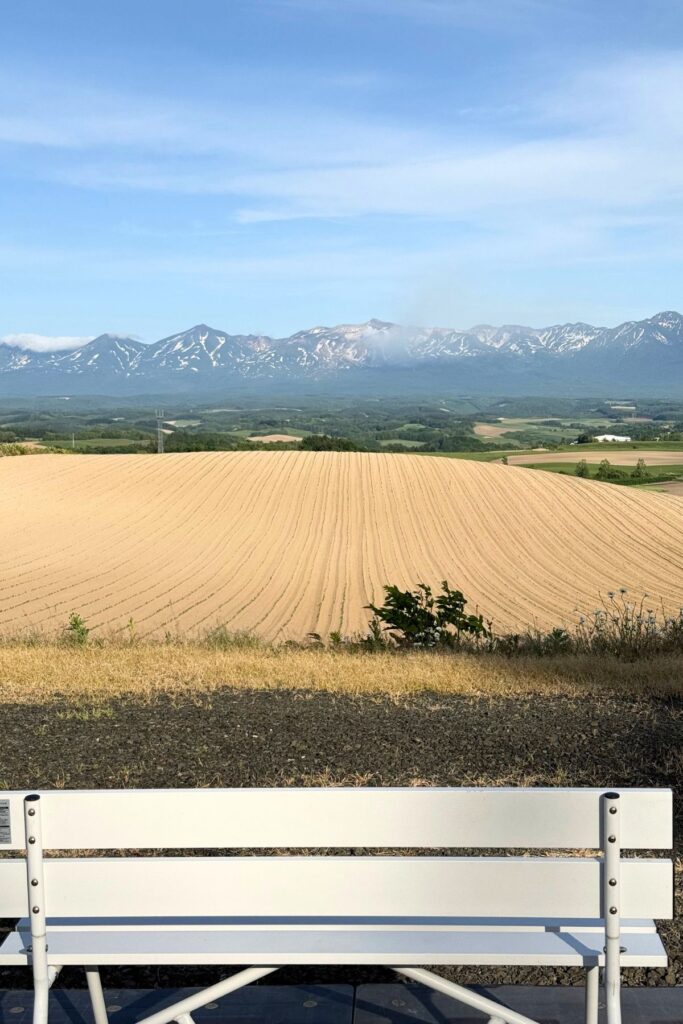
A scenic drive away is the town of Kamifurano, here you’ll find the RIJIN Hills Base RV Park, and wait until you see the views… There aren’t any showers on site, but there are toilets, washing facilities and you can pay to dispose of your garbage here.
The view over the mountains and farmland is a real treat for your last night, and you might even be able to catch the sunrise in the morning.
If you are visiting Kamifurano during July, I recommend heading to Farm Tomita which has one of the largest lavender fields in Japan. Alternatively, Flower Land Kamifurano offers breathtaking views of the Furano basin and Tokachi mountains from 100,000 metre square flower fields! There’s actually so much on offer in Kamifurano, especially during July and August, peak camping season.
Accommodation recommendations in the area:
RV Cost Breakdown From The Trip
We hired our RV for a total of 5 nights in June 2026, dropping it back on the 6th day at 12pm. As we had never camped before we didn’t have any relevant equipment, and if you’re flying in for your trip, don’t panic, you can literally hire everything you need! Please note that the rental goods from Tomo Campers had to be paid in cash on the day of picking up the RV.
Here are the total costs of the RV and everything we hired for it;
Rental Items:
- BBQ Set + Fire Pit (M) [1 piece] – ¥6000
- 3 High & Low Table II (2-3 person) [1 piece] – ¥3000
- Lay Chair [1 piece] – ¥2100
- Beacon Light LED [1 piece] – ¥900
- Quad Multi-Panel Lantern [1 piece] – ¥2100
- Skillet 10.25 inch [1 piece] – ¥1500
- Hot Sandwich Maker [1 piece] – ¥1500 (the best hire for the week!)
- Summer bedding rental: 10,400 yen x 2 set = 10,400 yen for 4-7 nights
RV Hire:
- Rental Car Fee: ¥93,500 / 5.0 days
- 10% OFF for 5 days or more: -¥9,350
- Insurance Waiver: ¥16,500 / 5 days
- Pet Passenger Fee: ¥11,000
- Language Support Fee: ¥22,000
Total: ¥133,650 (Included Reservation Fee of ¥20,000)
Things We Would Recommend Packing or Buying For A Camping Trip In Hokkaido
The bug activity in Hokkaido is intense at some of the campsites, and this would be the top things you MUST bring to avoid any nasty bites;
- Bug spray
- Mosquito coil (we didn’t know about these until after the trip!)
- Layers such as leggings which can be tucked into socks and long sleeve tops for campfire time
Weather is very changeable in Hokkaido, we left Sapporo in 30 degree weather and by day 3 it was only 8 degrees and the evenings were so cold in most of the campsites early June. I would not recommend doing this kind of trip during the harsh winter in Hokkaido, many roads are shut due to the snow and poor conditions, and it would be freezing overnight!
- Lots of warm layers
- Blankets for sitting outside by the campfire
- Heated foot and hand packs if it’s really cold
- Hot water bottle (RV’s do have heaters, but they can get so cold overnight)
- If you’re hiring bedding from the RV company, hire winter bedding, even if it’s the summer!
Other packing recommendations;
- Soap/hand sanitiser, most of the campsites did not provide soap
- Some kind of basket or bag to carry dishes over for washing up each day
- Paper plates and tableware to save washing up lots of items each night (if you’ve just flown in too, this is the best option)
- Charcoal for BBQ (can be purchased from most supermarkets and michi-no-ekis in Hokkaido)
- Phone mount for your own sat nav, RV sat nav is in Japanese, so unless you read Japanese, use Google Maps on your own phone
- Cash is required for most of the campsites
- If it’s very hot, pack cool packs, Biore -3 degree wipes, fan and storing plenty of water/drinks in your fridge
We hope this 5 day RV trip around Hokkaido itinerary gives you inspiration for your next trip! It’s worth noting that you can actually park an RV in most Michi-no-ekis for FREE, however, as it was our first time camping we really wanted to experience what a proper Japanese campsite is like, surrounded by the incredible nature Hokkaido has to offer.
If you have any other questions about taking a similar route or itinerary in Hokkaido, please leave us a comment below!