Getting Around Hokkaido: Trains, Buses & Transport Guide
Getting around Hokkaido is part of the adventure. With vast landscapes, remote national parks, and world-class ski resorts, understanding your transport options is key to making the most of your trip. From efficient train networks and scenic bus routes to car rentals and domestic flights, this guide covers everything you need to travel around Hokkaido with ease.
Public transport offers a reliable and cost-effective way to travel between both major cities and smaller towns across Hokkaido. Trains, in particular, are one of the most efficient ways to get around Japan, known for their punctuality and comfort. During winter, they are often the most dependable option, as heavy snowfall can slow road traffic and delay bus services, while trains continue to run smoothly through the snow.
For visitors, rail passes can offer excellent value. The JR Pass allows unlimited travel on JR trains, ferries, and some buses for a set period, while the Hokkaido Rail Pass provides unlimited travel across JR Hokkaido lines for several days—ideal for those focusing their trip on the region.
Buses are typically the most affordable option per journey and serve a wide range of destinations, including areas not covered by train lines. However, in winter, travel times can vary depending on road conditions, so it’s worth allowing extra time when planning your journey.
Trains In Hokkaido
Travelling by train is one of the most convenient and reliable ways to get around Hokkaido, particularly between major cities. Japan’s rail network is known for its efficiency, and services operated by JR Hokkaido are no exception, offering comfortable journeys and excellent punctuality.
The main rail hub is Sapporo, with regular connections to destinations such as Otaru, Asahikawa, and Hakodate. Limited express trains connect longer routes, making it possible to travel across large parts of the island without the need for a car.
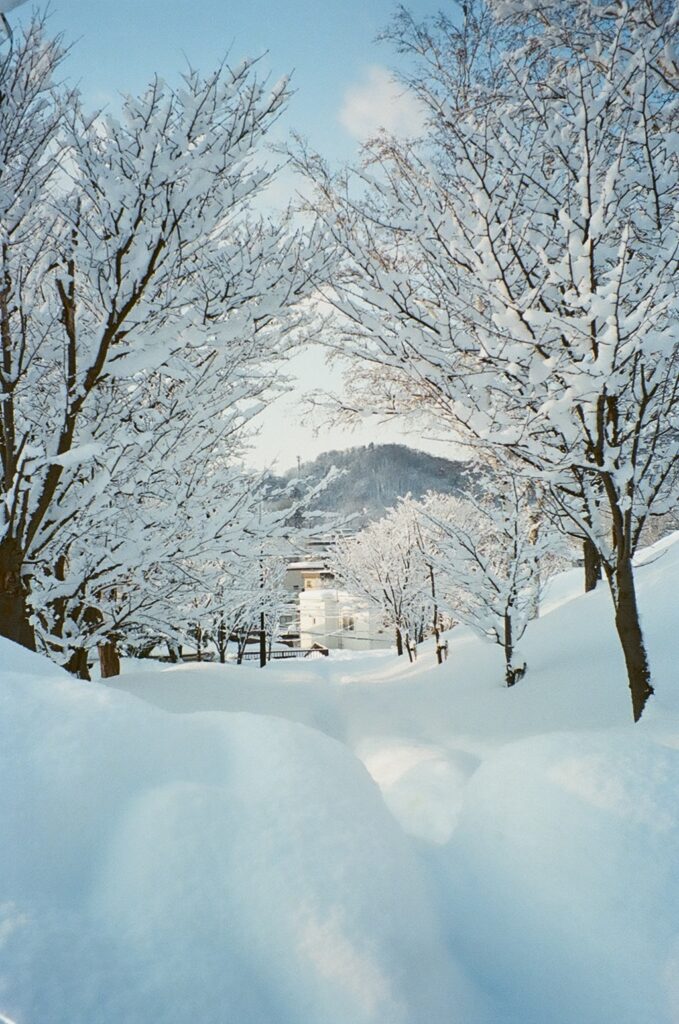
In winter, trains are often the most dependable form of transport. While heavy snowfall can affect road travel, rail services continue to run with minimal disruption, making them a popular choice during the colder months.
For visitors, rail passes can offer good value depending on your itinerary. Options such as the JR Pass and regional passes allow unlimited travel over a set number of days, which can be particularly useful if you’re planning to cover multiple destinations.
While trains are ideal for major routes, they don’t reach every part of Hokkaido. More remote areas and national parks may require a combination of train and bus, or a rental car, to access fully.
Buses In Hokkaido
Buses play an important role in Hokkaido’s transport network, particularly in areas where train lines do not reach. They provide access to smaller towns, rural regions, and many of the island’s national parks, making them a useful option for travellers looking to explore beyond the main cities.
Long-distance highway buses connect major destinations such as Sapporo with places like Hakodate, Asahikawa, and Kushiro, often at a lower cost than train travel. Local bus networks also operate within cities and tourist areas, helping bridge the gap between train stations and final destinations.
Buses are typically the most affordable way to travel, but journey times can be longer, especially over greater distances. In winter, schedules may also be affected by road conditions, so it’s worth allowing extra time when planning your route.
For many travellers, buses are best used alongside trains or car rental, offering a practical way to reach destinations that would otherwise be difficult to access.
Car rental
Renting car in Hokkaido is one of the very best options for getting around the island , especially if you’re planning to visit more remote areas or travel at your own pace. While trains and buses connect the major cities, many of Hokkaido’s most scenic spots, national parks, and smaller towns are much easier to reach by car.
Driving gives you the flexibility to create your own itinerary here, stop at viewpoints along the way, and access places that public transport doesn’t easily reach. It’s particularly useful for trips to areas like Furano, Niseko, and more rural parts of the island.
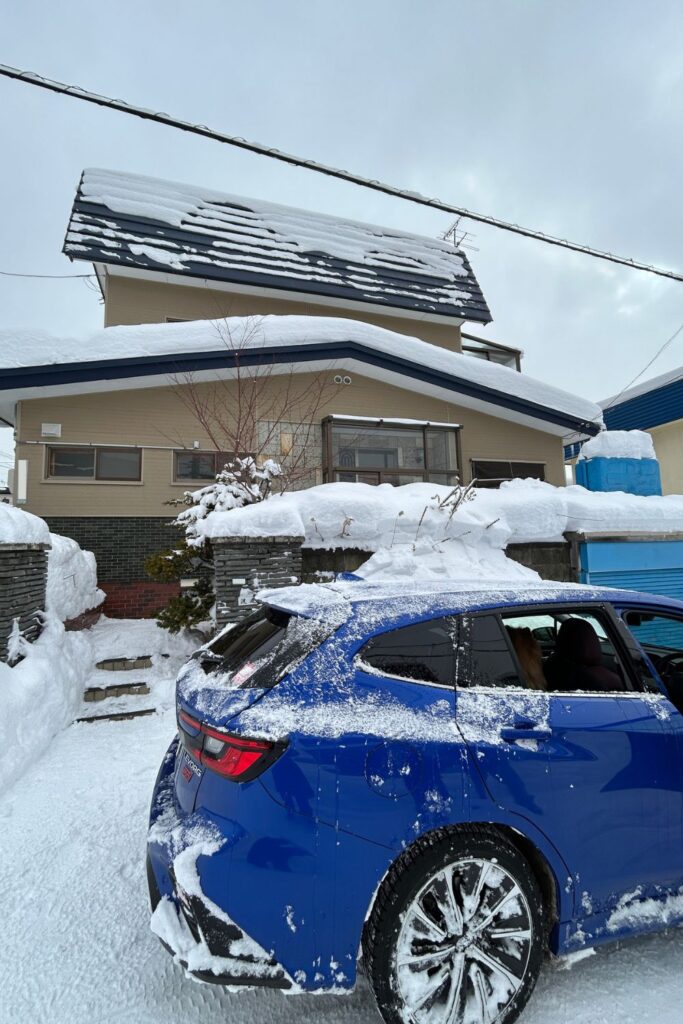
In winter, however, driving requires extra care in Hokkaido, and it can be incredibly dangerous. Snow-covered roads, icy conditions, and reduced visibility can make journeys more challenging, especially for those unfamiliar with winter driving.
Rental cars are equipped with winter tyres though, but it’s important to drive cautiously and allow extra time for travel. After moving from the UK to Sapporo, we arrived in the middle of winter and had to get a hire car to begin with. The process was smooth, we had a Subaru (which is a great car for Hokkaido weather!) with winter tyres, and we had a dog in tow as well.
Just be mindful that a lot of hire car companies do not allow dogs that are more than 10KG, and they will usually ask for proof too! There are numerous car rental companies available, we personally used Nippon Rent A Car for the first part of our new life here in Hokkaido, and we’d definitely recommend them.
For many visitors, renting a car is the best option when exploring beyond the main cities, while trains and buses remain more convenient for straightforward routes between major destinations. You will need to ensure you have a valid International Driving Permit to drive over here if you are visiting from outside of Japan.
Domestic Flights
A lot of people don’t realise that New Chitose Airport isn’t the only available airport in Hokkaido, and this is what makes exploring more remote parts of Hokkaido even easier.
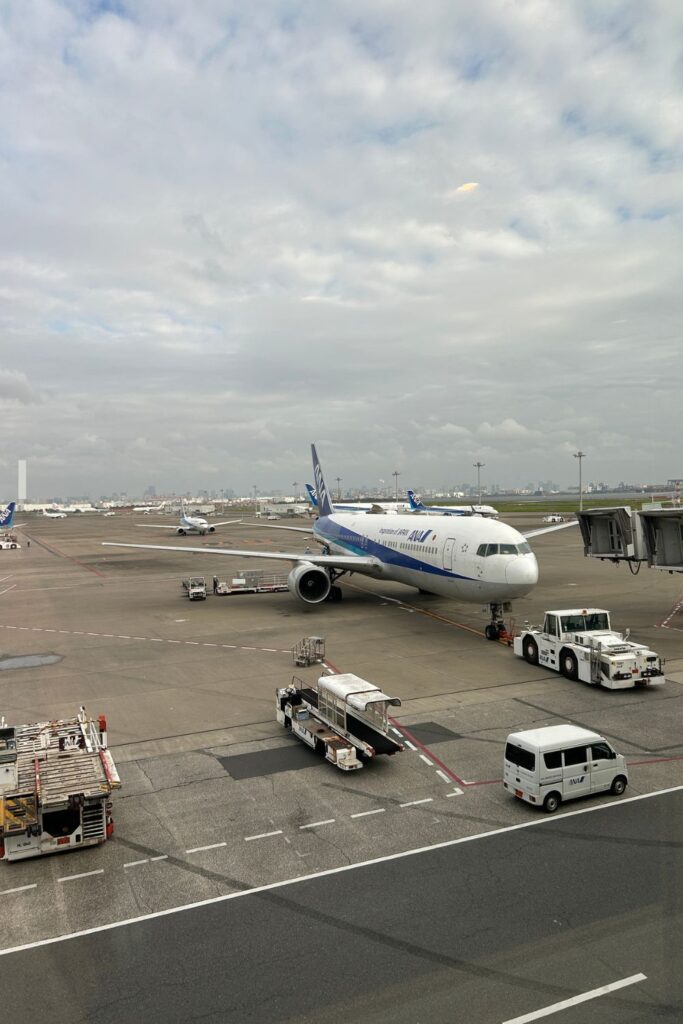
Domestic flights can be a convenient option when travelling longer distances across Hokkaido, particularly if you’re heading to more remote regions in the east or north of the island. While trains and buses are reliable, journey times can be long due to Hokkaido’s size, making flying a time-saving alternative in certain cases.
The main gateway is New Chitose Airport near Sapporo, with regular connections to smaller regional airports across the island. Flights can be especially useful for reaching destinations such as Kushiro, Memanbetsu, and Wakkanai, where overland travel can take several hours.
For most travellers, flying isn’t necessary when visiting areas closer to Sapporo, such as Otaru or Niseko, where trains, buses, or driving are more practical. However, if you’re planning a wider itinerary or are short on time, domestic flights can make exploring Hokkaido far more efficient.
Travel Times Between Major Destinations In Hokkaido
| Route | Distance | Train Time | Drive Time |
|---|---|---|---|
| Sapporo to Otaru | ~40 km | 30 min | 45 min |
| Sapporo to Niseko | ~110 km | 2–2.5 hrs | 2 hrs |
| Sapporo to Furano | ~115 km | 2 hrs | 2 hrs |
| Sapporo to Biei | ~164km | 2.5 hrs | 2.5 hrs |
| Sapporo to Hakodate | ~250 km | 3.5–4 hrs | 4.5 hrs |
| Sapporo to Lake Toya | ~105km | 2 hours + 15 minutes bus | 2 hrs |
| Sapporo to Jozankei | 29.5km | / | 50 minutes |
Travel Tips For Hokkaido
Best Transport For Winter VS Summer
Ultimately, it comes down to your personal situation, and whereabouts you intend to travel. Winter travel can be extremely challenging due to the constantly changing weather conditions, and dangerous driving conditions which can become even harder when you leave the bigger cities. As a local who has now experienced a first winter here, public transport such as buses and trains are the safest, and best option for winter.
Whilst driving around areas such as Sapporo are well maintained in the winter, many neighbours told us to avoid taking day trips during the winter because of the bad conditions, and windy roads in Hokkaido. Many snowstorms also happen during the winter which can cause travel chaos with both driving and public transport during this time, it’s just something worth bearing in mind if you travel here in the winter. It is one of the most beautiful seasons, but you have to take care!
In the summer, the world is your oyster! If you plan to travel outside the well connected cities such as Sapporo and Otaru, rent a car! You will be able to explore so many more places in less time, and the beauty of travelling by car is you can stop when the urge takes you and discover so many cute places en route that you would totally miss out on if you took public transport.
Luggage Forwarding With Yamato
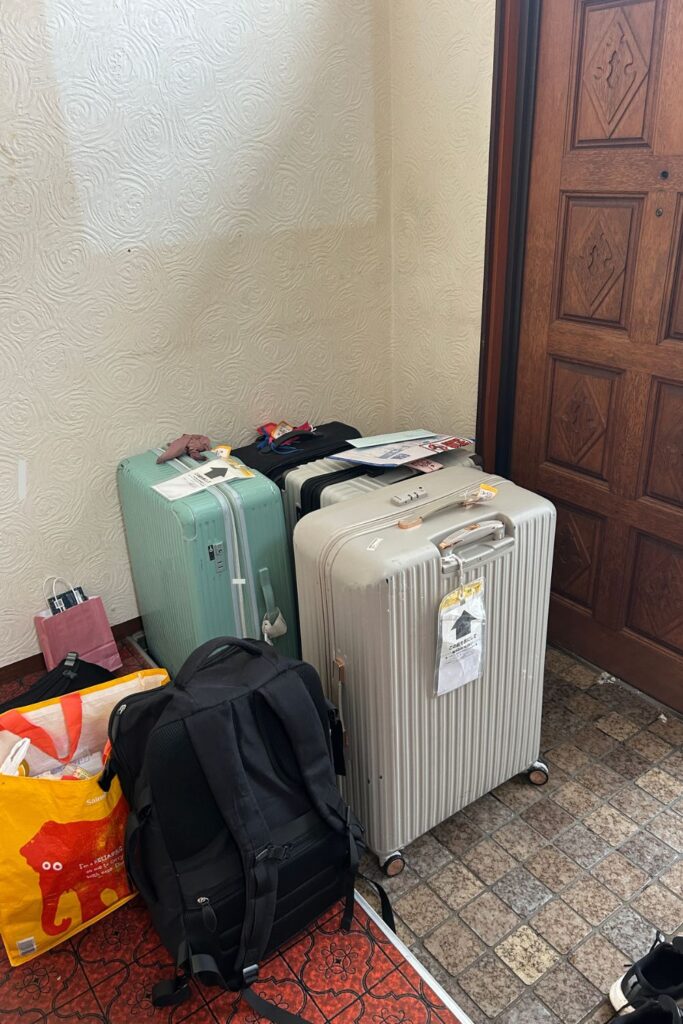
Before moving to Hokkaido, we travelled through Japan twice for long periods of times and the best thing we did was use their inexpensive and super efficient luggage forwarding service with Yamato. That means no lugging suitcases between coaches, trains and planes for long journeys, and instead, rocking up with a rucksack with a couple of days worth of clothes and belongings, and meeting your luggage at your next destination.
In Japan, we have used this service for very long journeys from Okinawa to Tokyo, for shorter journeys, and for our final move to Japan, from Tokyo to Hokkaido. You will find a Yamato depot in most towns, and you can also use this service from many konbini stores throughout Japan, but it’s worth checking beforehand. You can forward luggage to your hotel, home or it can be stored and collected from one of their depots, when specified.
Just be mindful that if your luggage is going to be flown, to make sure that none of the prohibited items on their list is included, as we found out with a stray pressurised bottle of insect repellant (which we didn’t even use on the trip!). This meant our suitcase got held up in Okinawa, we eventually managed to get them to open the case to take it out, and somehow it arrived to us in Tokyo literally the day before we were due to fly home! The service has been impeccable with them every time, so just don’t make our mistake when sending luggage!