How We Moved Our Dog From The UK To Japan
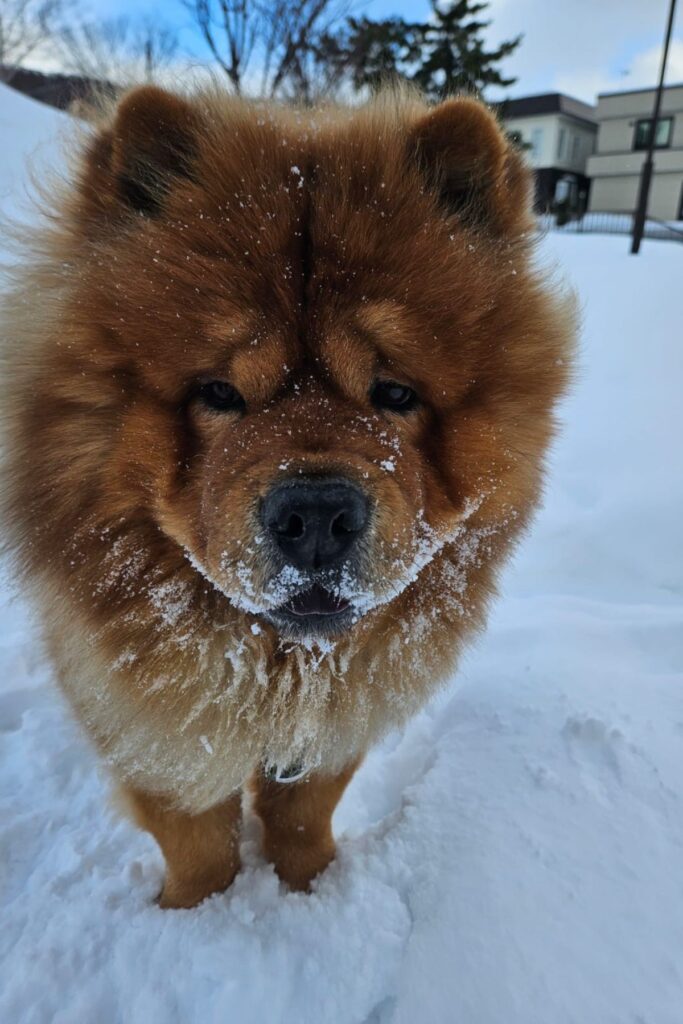
Planning to make a huge move from the UK to Japan is one that we were preparing for for 18 months, and considering how we would get our chow chow to Japan was our number one priority before we could actually consider whether this was a viable thing to do.
We initially considered driving all the way from UK to Japan, but with many restrictions in certain countries right now, this wasn’t an option. After a lot of research we found that Papi could be flown via British Airways. Once we knew this, planning and preparation began 12 months before the date of travel.
Japan is one of the most complicated countries to export a pet to and it’s not something you want to get wrong. This is the exact process we followed to get our lovely boy from the UK to Japan.
How We Moved Our Dog From The UK To Japan
1.Appoint A Pet Relocation Agency
As a disclaimer you absolutely can do all of the move on your own if you want to save costs, however, if you’re also moving halfway across the world, you may also need the help for peace of mind and to ensure everything goes off without a glitch. For us personally, this was the best decision we made.
We did a lot of research about pet relocation companies to make sure they were legitimate, checking reviews was really important for us, this was a huge move we were about to undertake and well, Papi is everything to us!
The company we used was Pet Air UK, and we began talking to them 12 months in advance so we could get a proper understanding of all of the requirements needed to export Papi, and to ensure there was no quarantine time on the other side.
The role of Pet Air UK was to help with documentation required, booking the transport, the construction of his crate for the flight and the fit to fly certificate which is done 48 hours prior to the flight.
2. Rabies Vaccinations & Blood Test
A lot of people presume that there is a lengthy quarantine time for pets arriving in Japan, and this is only true if you don’t follow the necessary rules ahead of time. This is why ideally, you need to begin planning moving your pets 12 months in advance.
Japan is a rabies free country and all pets entering the country must have had 2 rabies blood tests, and a blood test directly following the second vaccination to show the necessary antibodies in the blood.
Despite the UK being a rabies free country, we still had to go through this process. Papi had his first rabies vaccination at his registered vets 7 months in advance which was in June 2025, this was then followed by his second vaccination in July 2025, directly after this he had a rabies blood test which had be sent to the Plant and Animal Agency UK. We were notified of this by Pet Air UK and we were able to let our vets know that this is where it had to be sent.
Once rabies antibody levels have been confirmed as sufficient there is then a 180 day waiting period for your pet to enter Japan quarantine free. The earliest we would have been able to enter the country with Papi was December 31st 2025. It’s important to note that this blood test result remains valid for up to 2 years. So, if you’re considering moving a pet to Japan, start the process as early as possible.
In addition to this, your pet also has to be micro chipped so details of the rabies vaccinations can be linked to the pet. Your vaccination card is super important and travels with your pet on the day of the flight to ensure they can be cleared by customs.
3. 40 Days Advance Notification
Advance notification of your pets arrival must be notified to Animal Quarantine Service (AQS) at least 40 days before arrival when bringing a dog or cat into Japan. Pet Air UK did this for us as part of their service for us.
After you submit it, AQS issues an Approval of Import Inspection of Animals, which you’ll need when you arrive. This documentation was all handled for us by Pet Air UK.
4. Flight Booking & Crate Construction
After we had instructed Pet Air UK and paid our initial deposit, you need to fill in a lot of information about your pet, this includes their weight and dimensions so they know how large the crate needs to be. The crate construction was made by the Pet Air UK team and due to Papi being a chow chow (classed as a Brachycephalic dog) the crate had to be 10% larger than standard. Their crate comes with some soft bedding and its provided with a water trough for use during the flight. We could also put something small of ours inside the crate such as a pillow case or item of clothing with our smell on the day. Nothing else is allowed to be put into the crate in case of a choking hazard.
We had let Pet Air UK know what the ideal flight date and time was with British Airways, but flights cannot be requested until 14 days prior to travel, so it was quite stressful waiting to see if that would be the date, as we had all planned to fly out on the same flight together.
Luckily, we got the flight date we requested. The actual ticket cost for Papi was £1,800.00 which was included in our total fee to Pet Air UK which was approximately £4,000.00 in total for relocating our gorgeous boy.
5. Health Certificate For Export
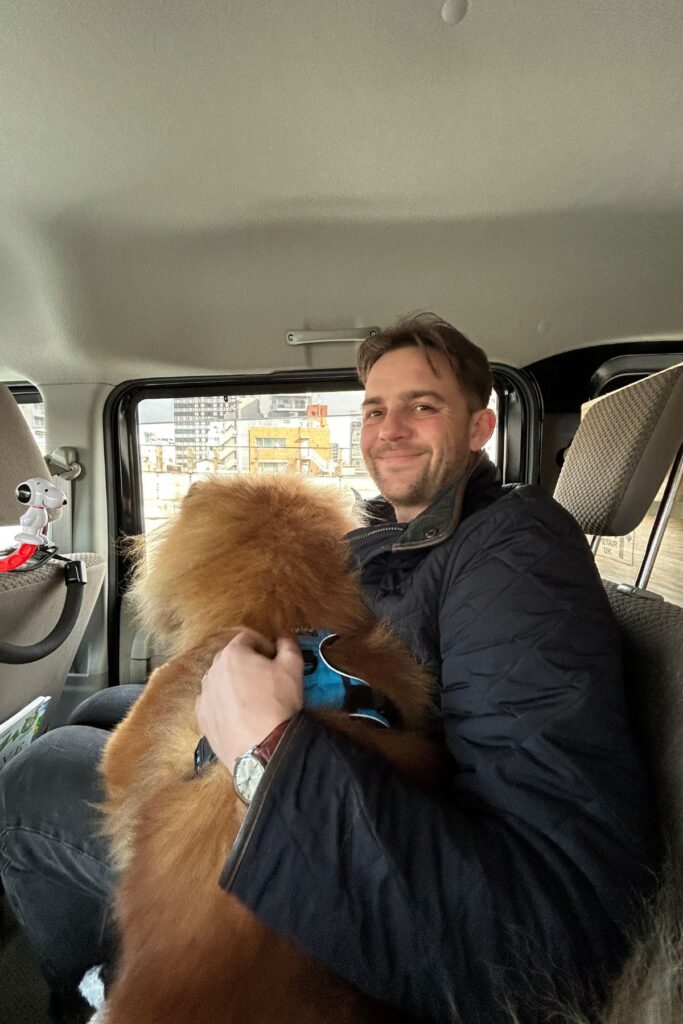
48 hours before travel your pet must have a health certificate completed to ensure they are fit and healthy for the flight. So, 2 days before travel we headed down to the Pet Air UK Vets which is in Windsor, incredibly close to Heathrow airport which was very handy.
Not any veterinarian can conduct this, it has to be an official (government-approved) veterinarian. It is then endorsed/stamped by the relevant government authority (e.g. DEFRA in the UK).
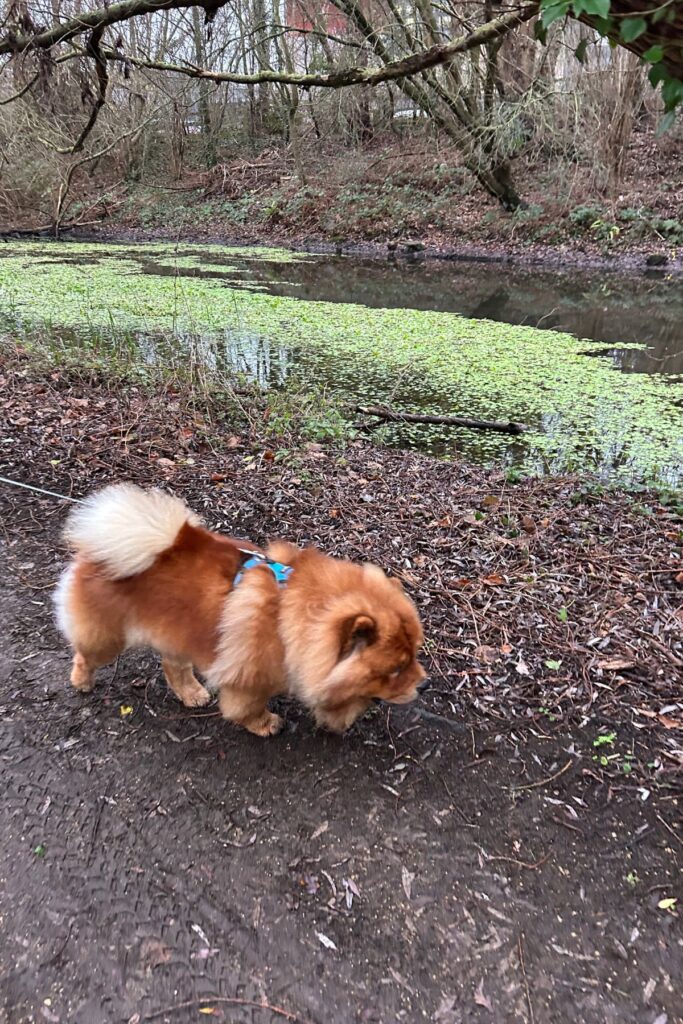
Once that was completed, we checked into the Sheraton Hotel Heathrow which is dog friendly! Chow chows couldn’t be boarded at Pet Air UK’s facilities but it is an option for most other breeds. Having said this, we wanted minimum stress leading up to the day for Papi and we wanted to stay with him right up until we left. We spent two days here with plenty of walk and chilling time with Papi before the flight. There was a huge park just 5 minutes away from the airport which was ideal for lovely walks.
6. Day of Travel
Our day of travel started super early! Our flight was just after 9am, and Papi had to be checked into his flight 5 hours before departure. We got up around 2am and did another long walk with Papi. This is encouraged on the day of travel so your dog is tired and has had an opportunity to do their business.
It is not recommended to give them a large meal on the day of flying, but we gave him a couple of small treats so we could ensure he had something in his stomach.
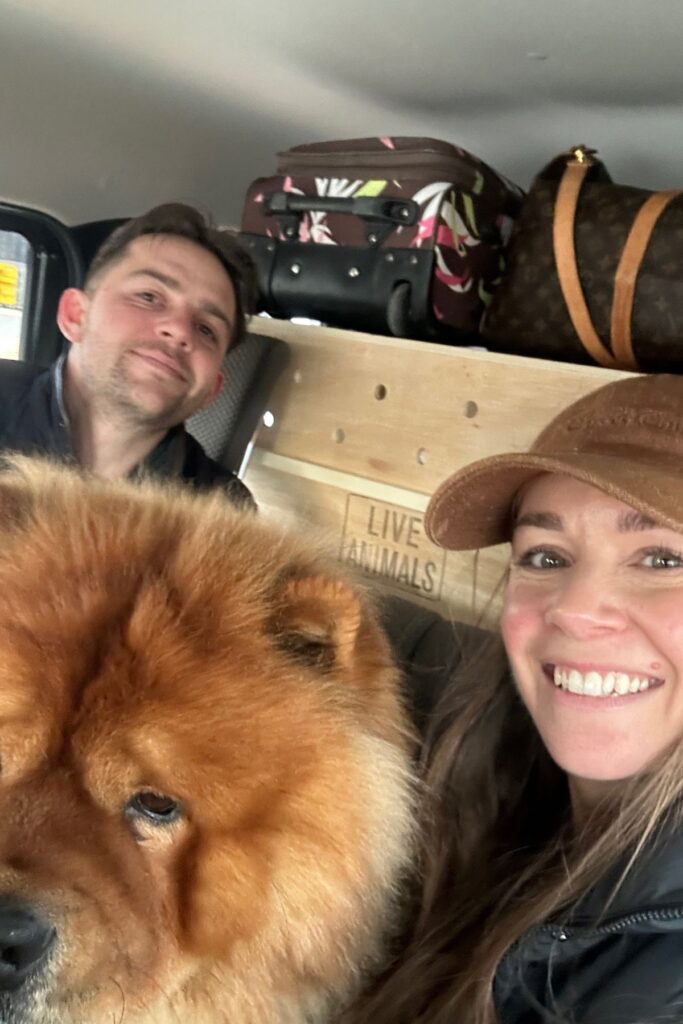
Then at 4:30am, the Pet Air UK van came to pick Papi up. There was also another dog due to be on his flight so it felt nice to know that he would have a little bit of company. We assumed that once they’re in the crate that would be it until we picked him up on the other side which would be over 20 hours. However, once they are checked in, they are let out in their own room to have treats if they want, and to do any last minute wees etc.
Going into the unknown and not being with him was incredibly upsetting for us, but we knew he was in the best hands and we would see him on the other side, less than 24 hours later.
Another great thing about Pet Air UK is that they are the first pet shipper in the UK to offer a pet tracking system. With their CareTag we received notifications up until the flight with a GPS location and images. This was a really nice touch, and to know that he was onboard with us and ready to take off.
Pets are always the last to board and the first to be taken off, although the flight was somewhat delayed in take off, the flight took around 13 hours and we weren’t too late in landing in the end.
7. Picking Him Up In Japan
Through Pet Air UK we paid for additional assistance with an agency in Japan to help clear Papi faster, and I’m so glad we did this.
The man from the agency text us whilst we were picking up our bags and we received notification that Papi was okay! Honestly, the relief we felt, but we were also desperate to see him now.
Arriving into Haneda airport, we assumed picking up Papi would be from within the terminal but it was actually in their Cargo area which was around a 15 minute walk, and we had all of our bags with us! This was the worst part, we were exhausted from not having slept for 24 hours and everything was so heavy. This part was not enjoyable in the slightest.
Once we got to the cargo area and had checked in as visitors, we met with the man from the agency who said it wouldn’t be too long, Papi just had to be cleared through animal quarantine and customs. Once he had passed clearance, Papi and the other lovely dog were brought through in their crates on a fork lift truck. As soon as Papi saw us, he went ballistic and just wanted to get out!
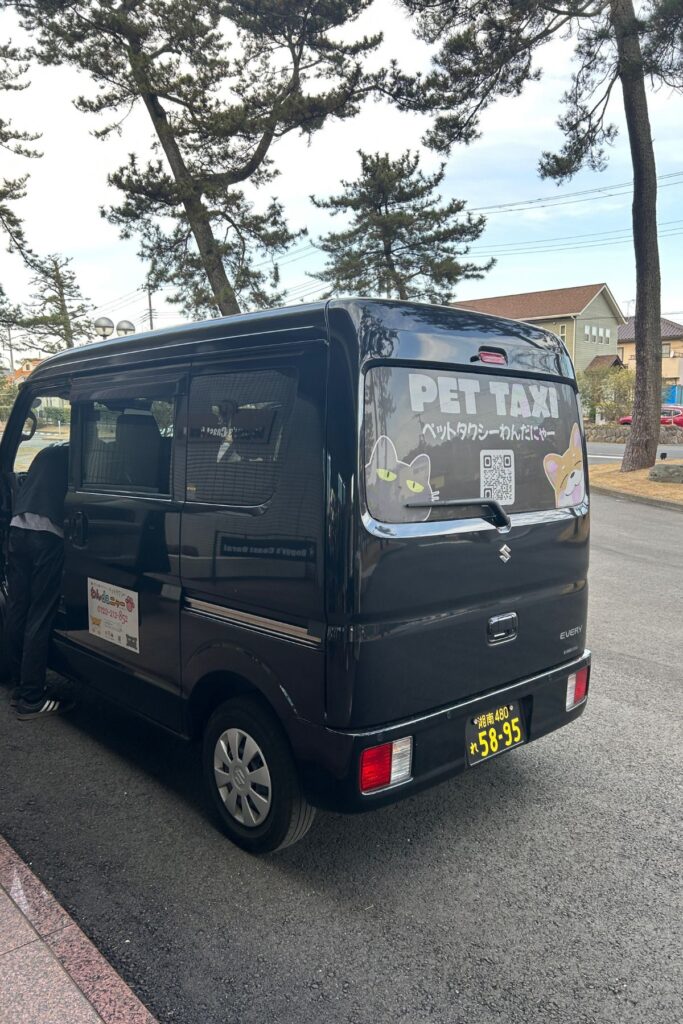
Despite the travel and stress he must have gone through, he arrived happy and was desperate for a drink and something to eat. They have water troughs on their crate for the flight, but we’re not sure how much he actually drank. It was then a 2 hour wait in the Cargo area until our pet taxi got us, and the worst part was there wasn’t really a dedicated dog run or area for them, the grass was littered with rubbish and once he had stretched his legs he then had to be put back into the crate to wait which obviously, Papi didn’t want to do.
As we had all just arrived into Japan, it was incredibly difficult for us. However, I imagine that if you had your own car this entire process would have been so much easier for everyone involved.
It goes without saying that leading up to this day was incredibly anxiety inducing. Flying a dog or other pet is not something we would recommend unless it’s for a long term stay. There is still a stigma around flying animals, but we did so much research into it and since 2020, a lot of additional measures have been put into place to make pet travel for dogs much safer. The hold is pressurised like the cabin and the captain is told whether pets are travelling on the day as they can control the temperature down there too.
We really think crate training Papi for weeks in advance overnight really helped make the process a little less stressful on the day as he jumped straight into the crate on the day of the flight which we were not expecting.
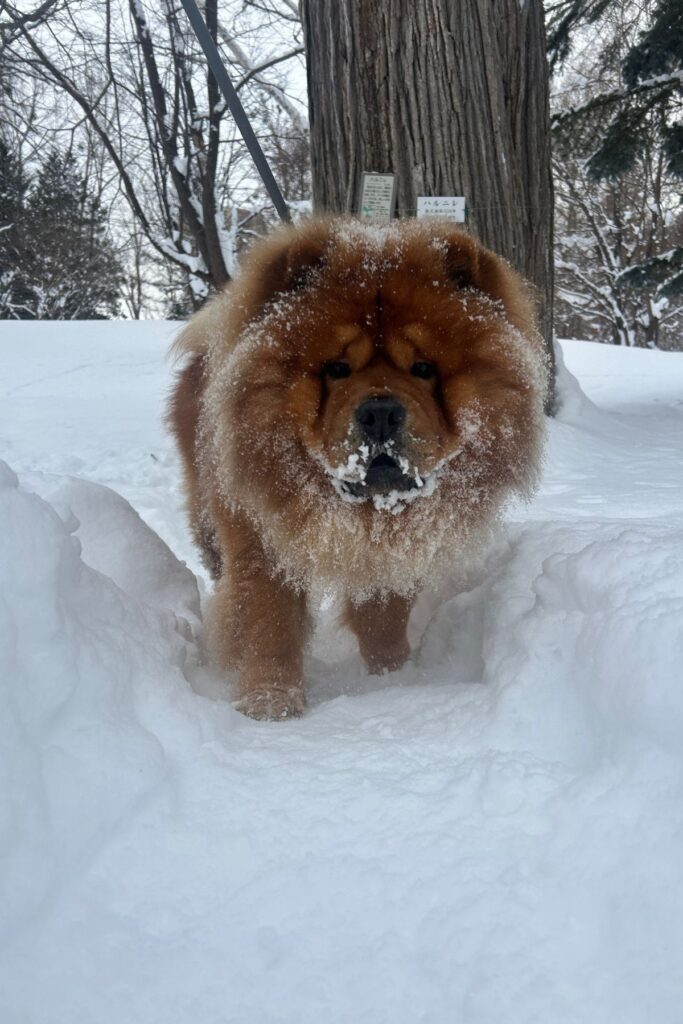
We don’t think it’s something we could put Papi and ourselves through again, and whilst it was a hard journey getting him here, he has settled into his new life in Hokkaido, Japan after a then 16 hour ferry with us, so well and seems to love it here!
If you have any other questions about the process, please do leave a question in the comments below! Want to know more about us and why we started Travel Hokkaido? Take a look at our story for more information!